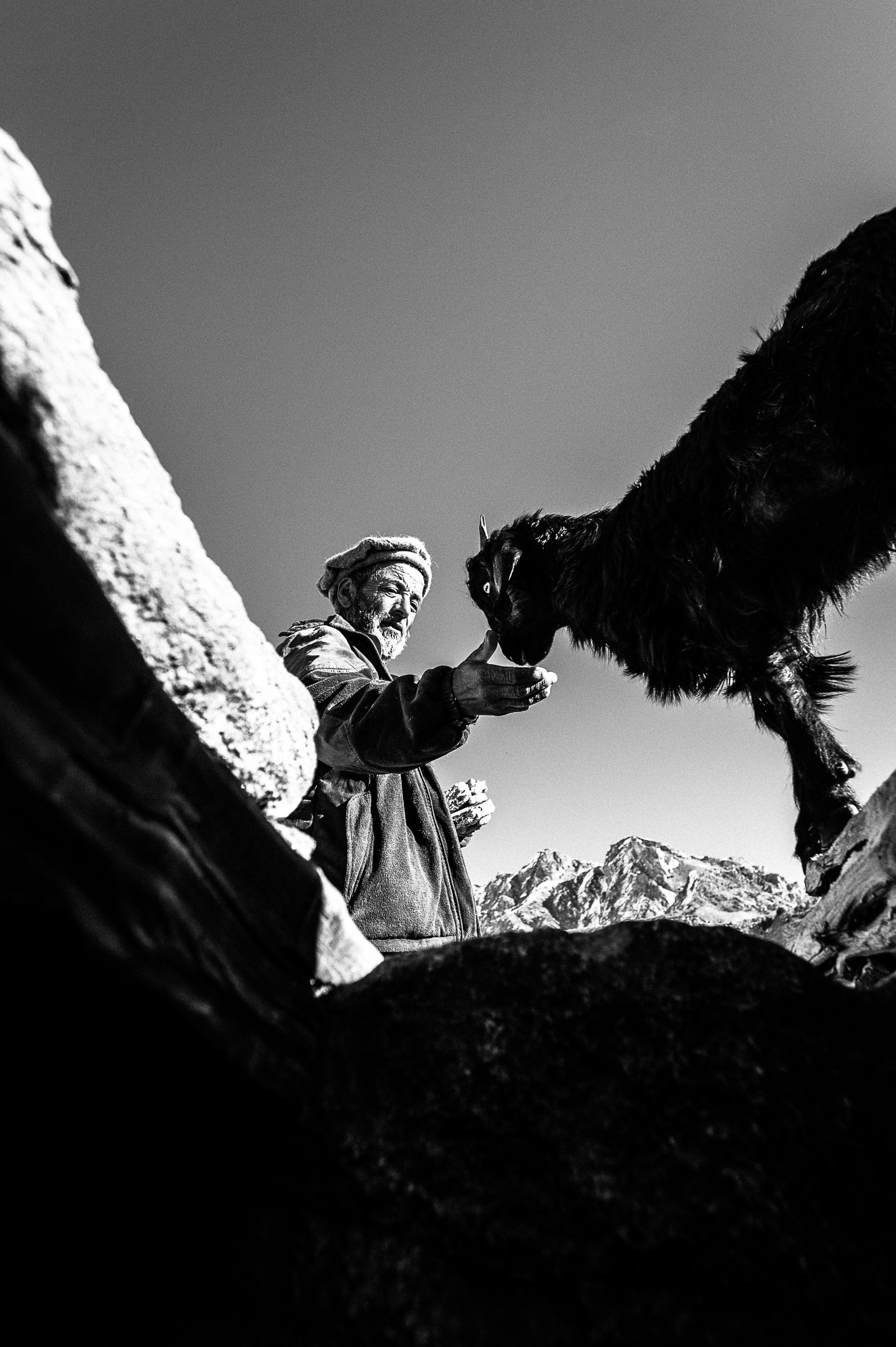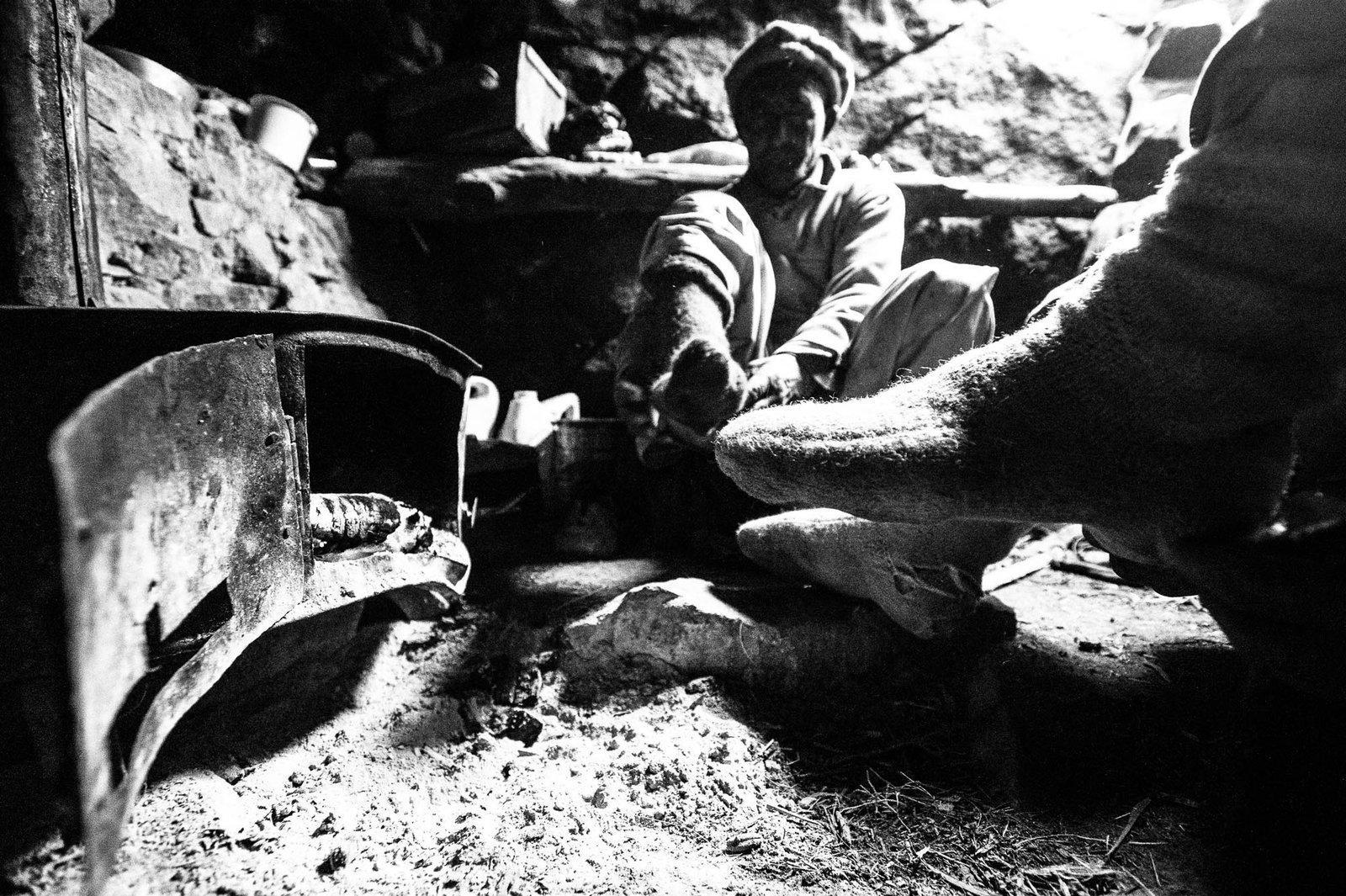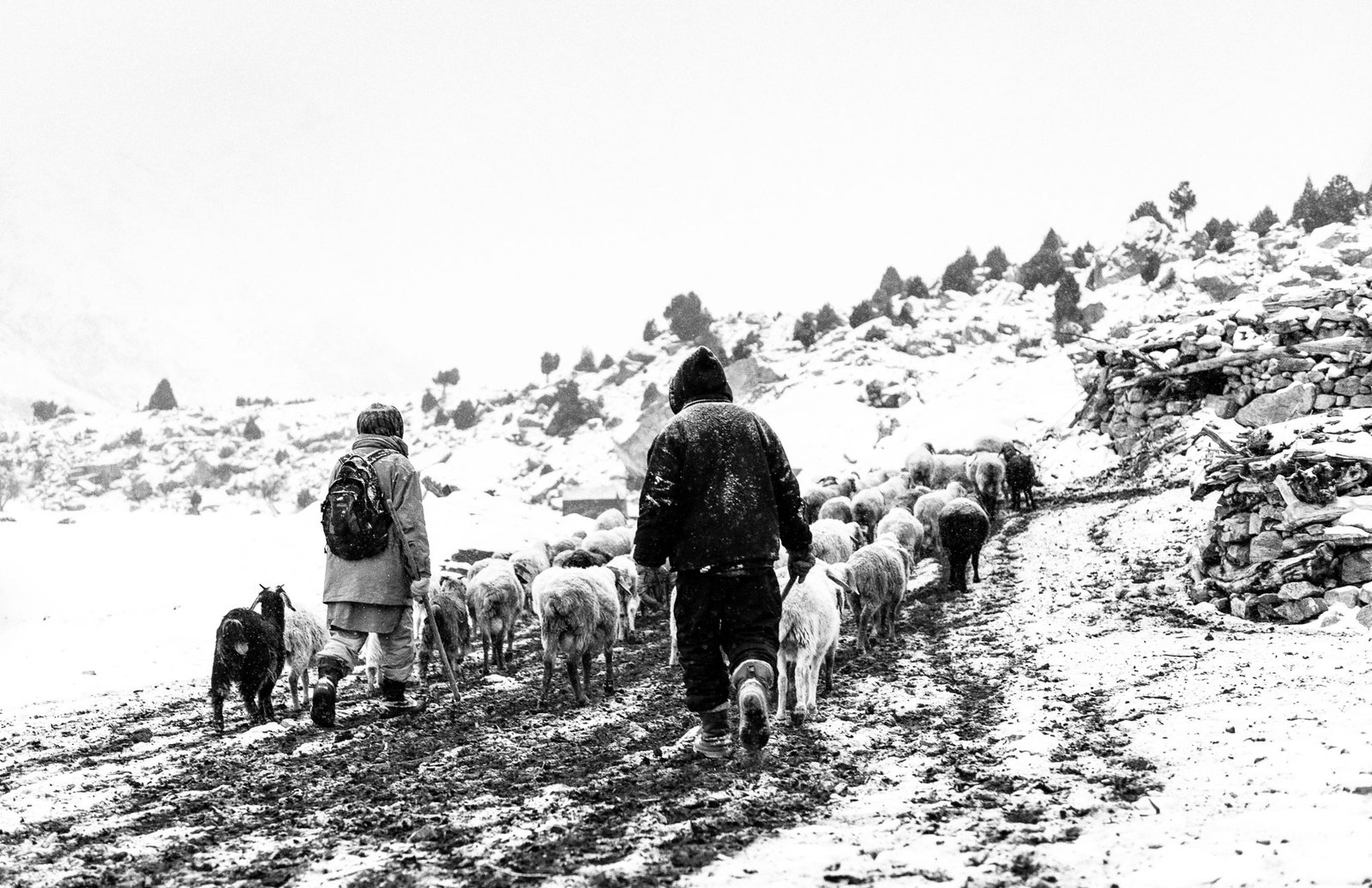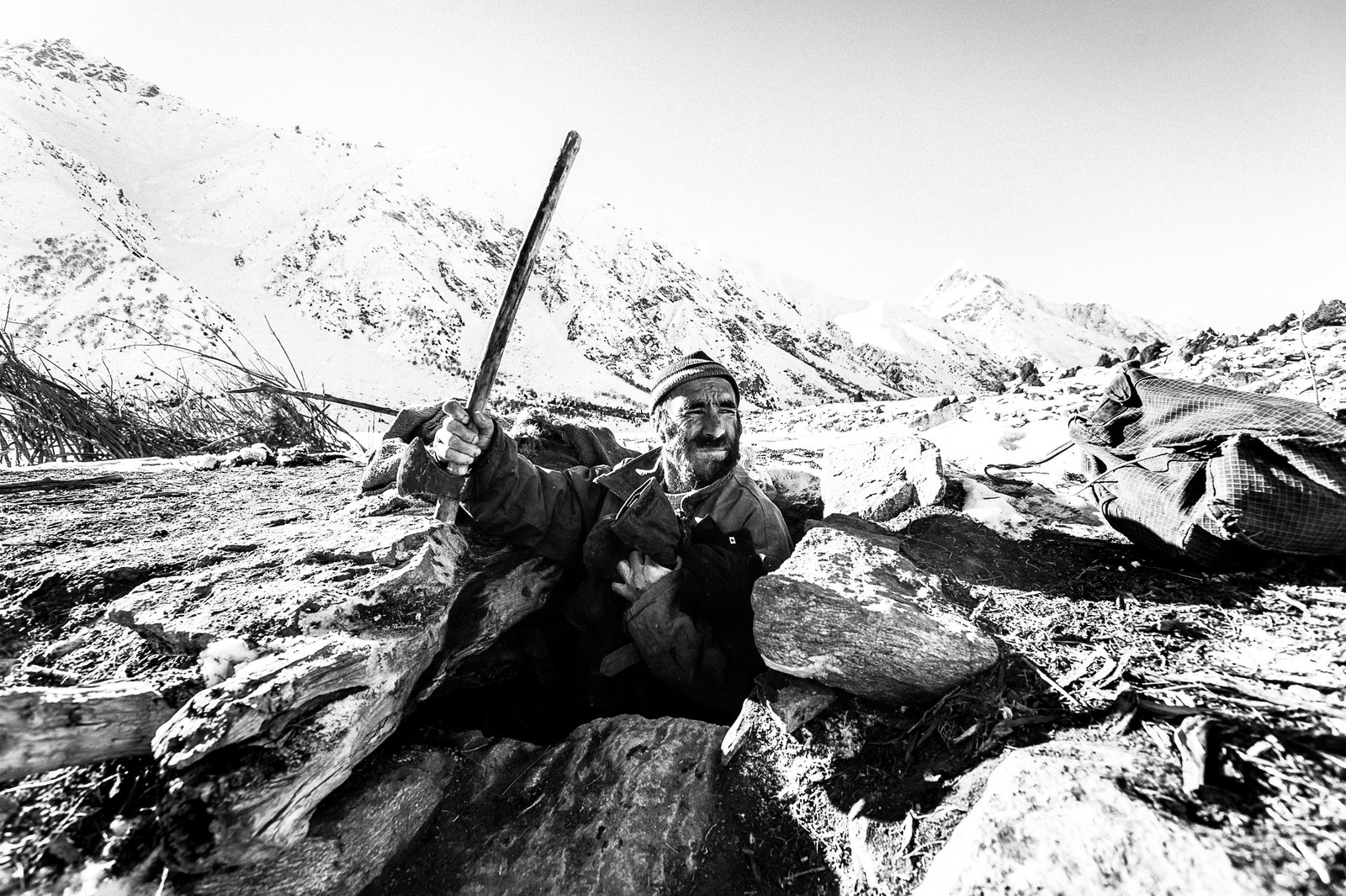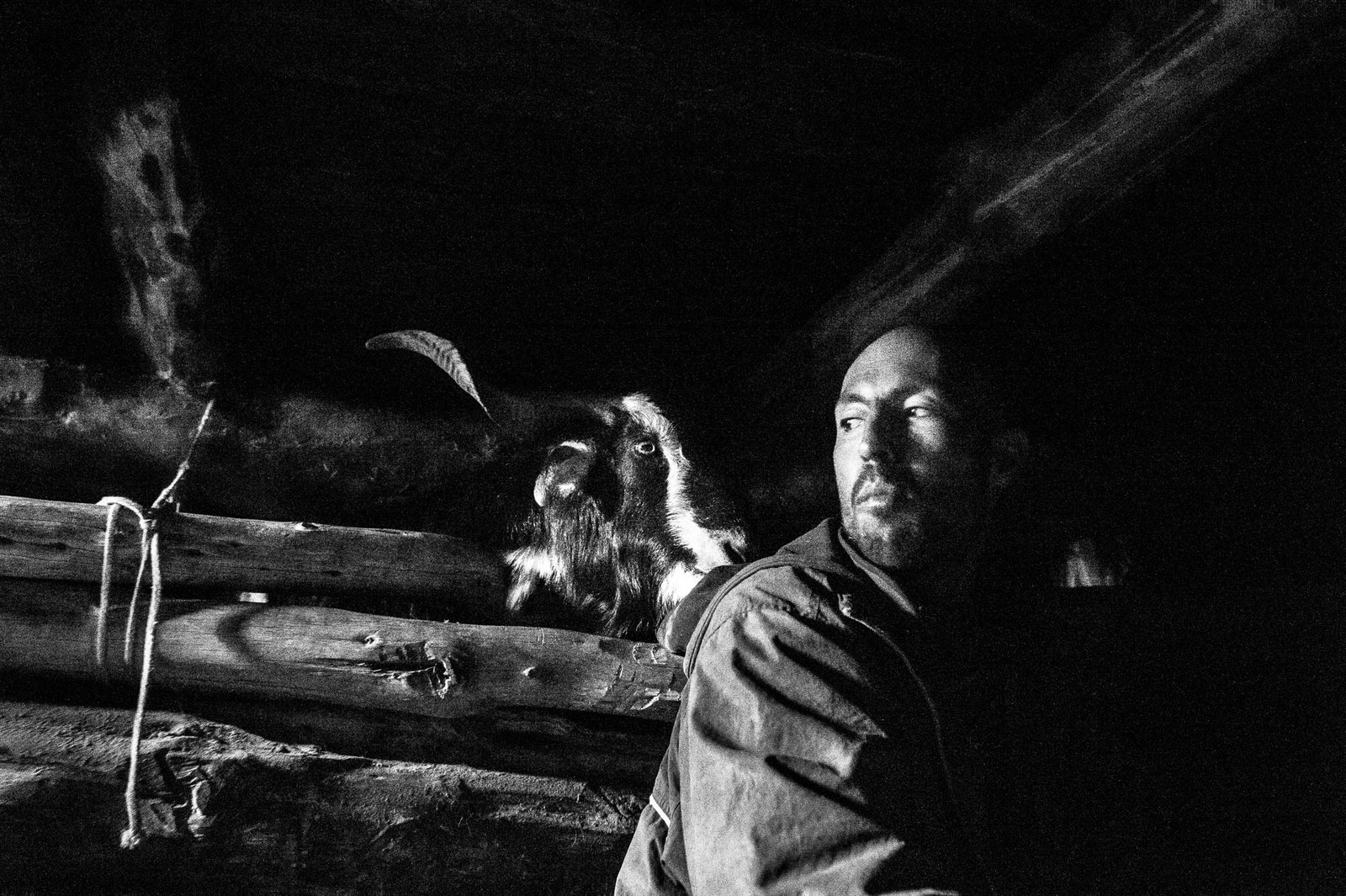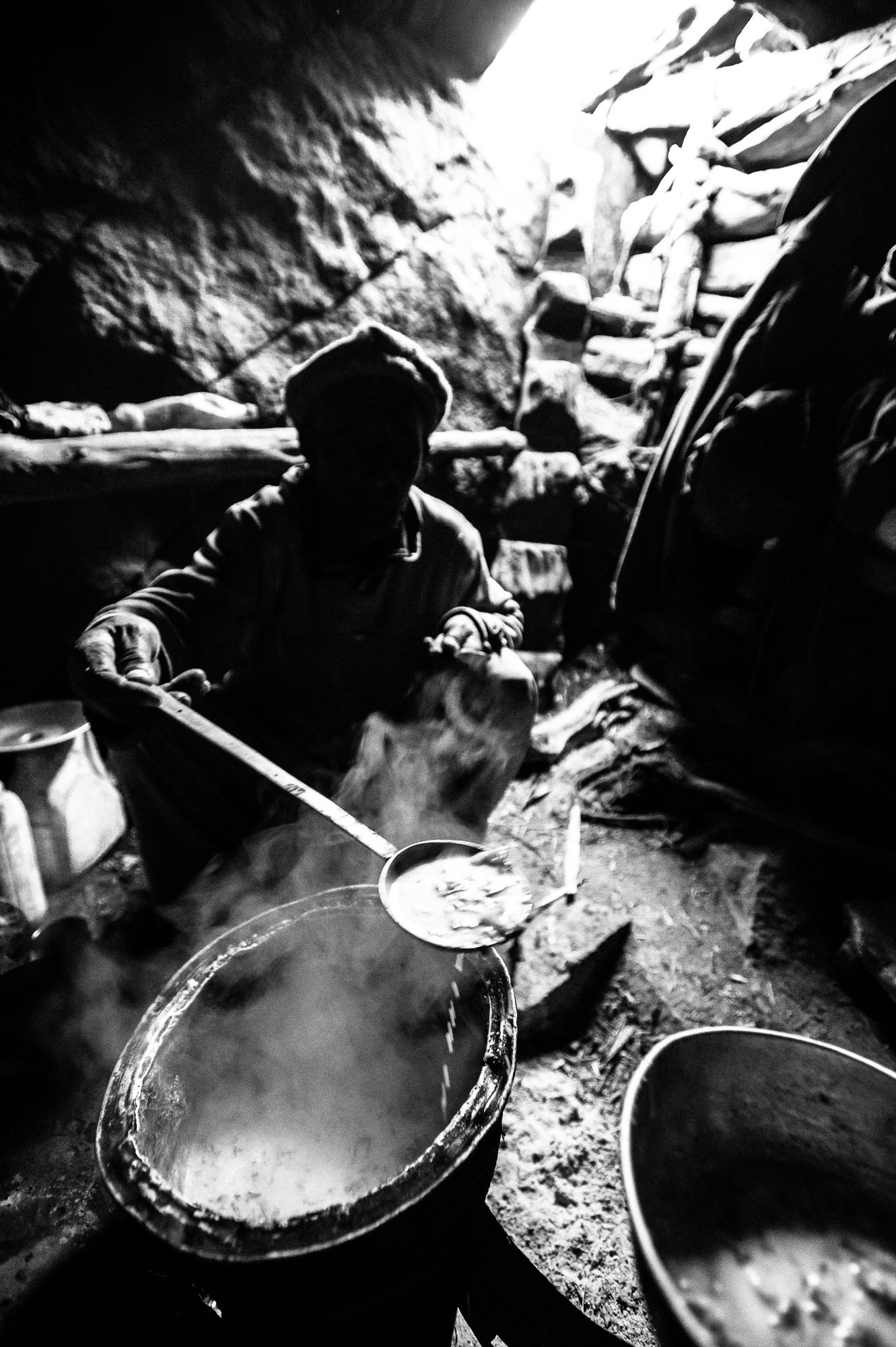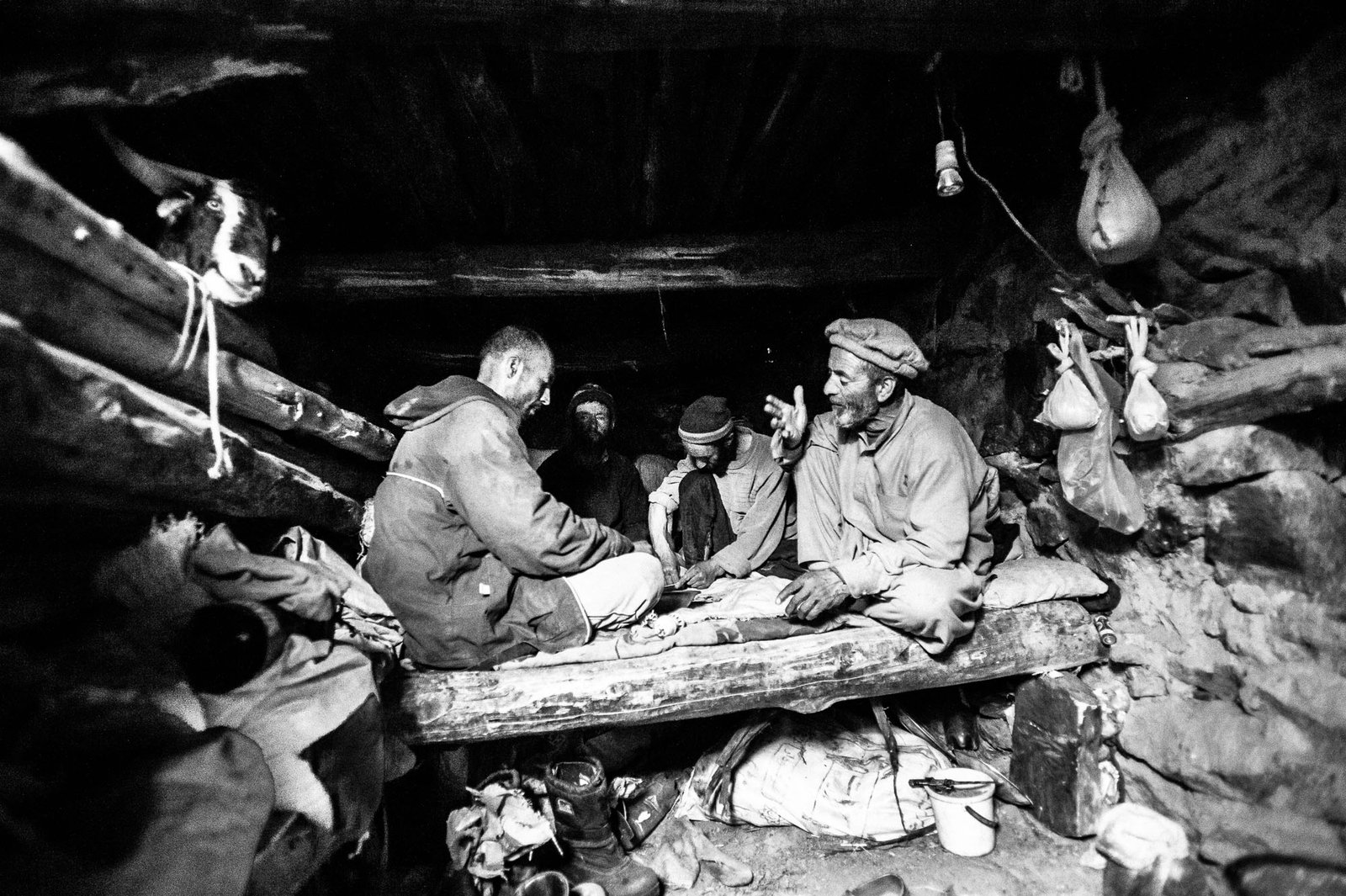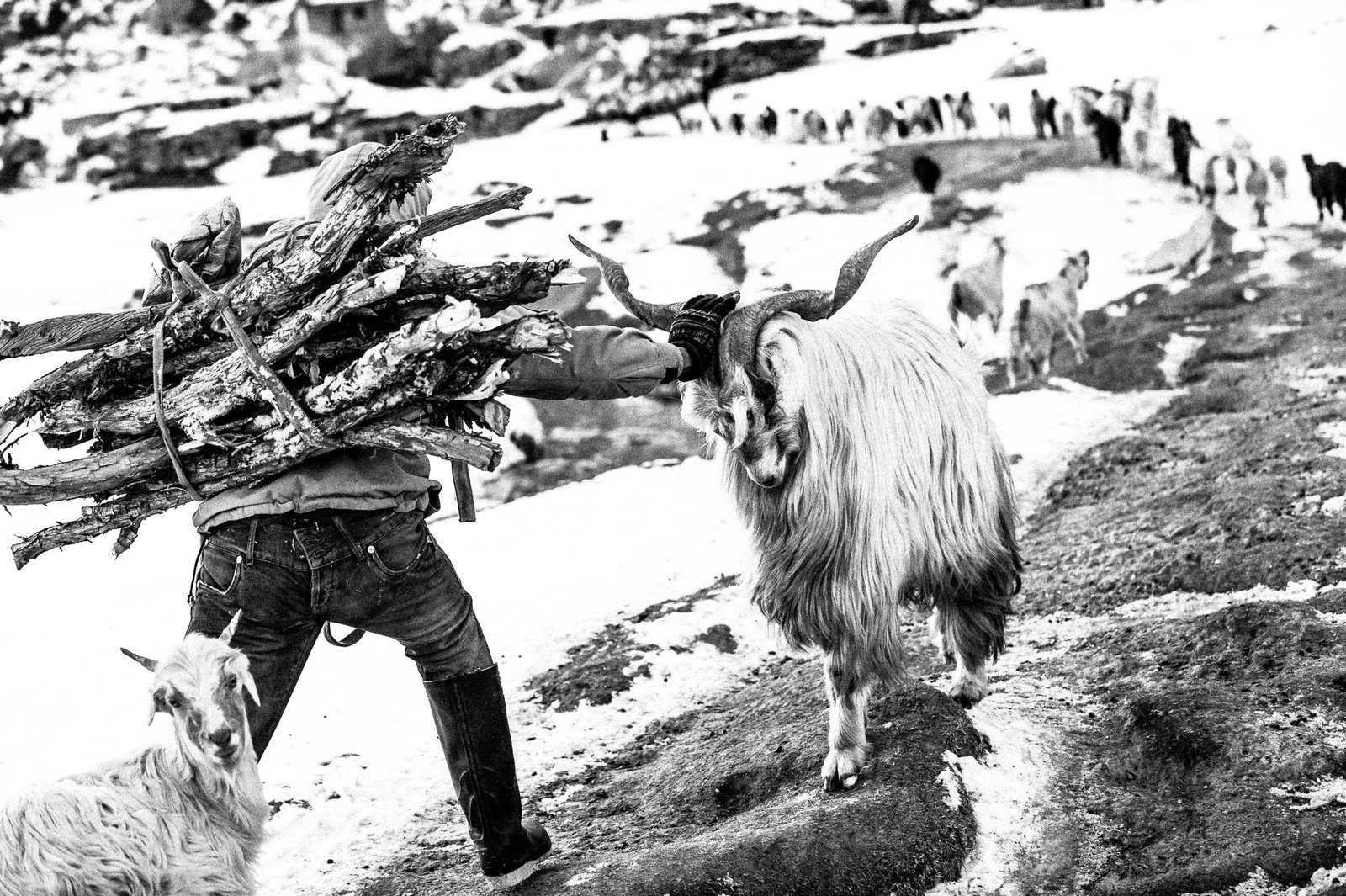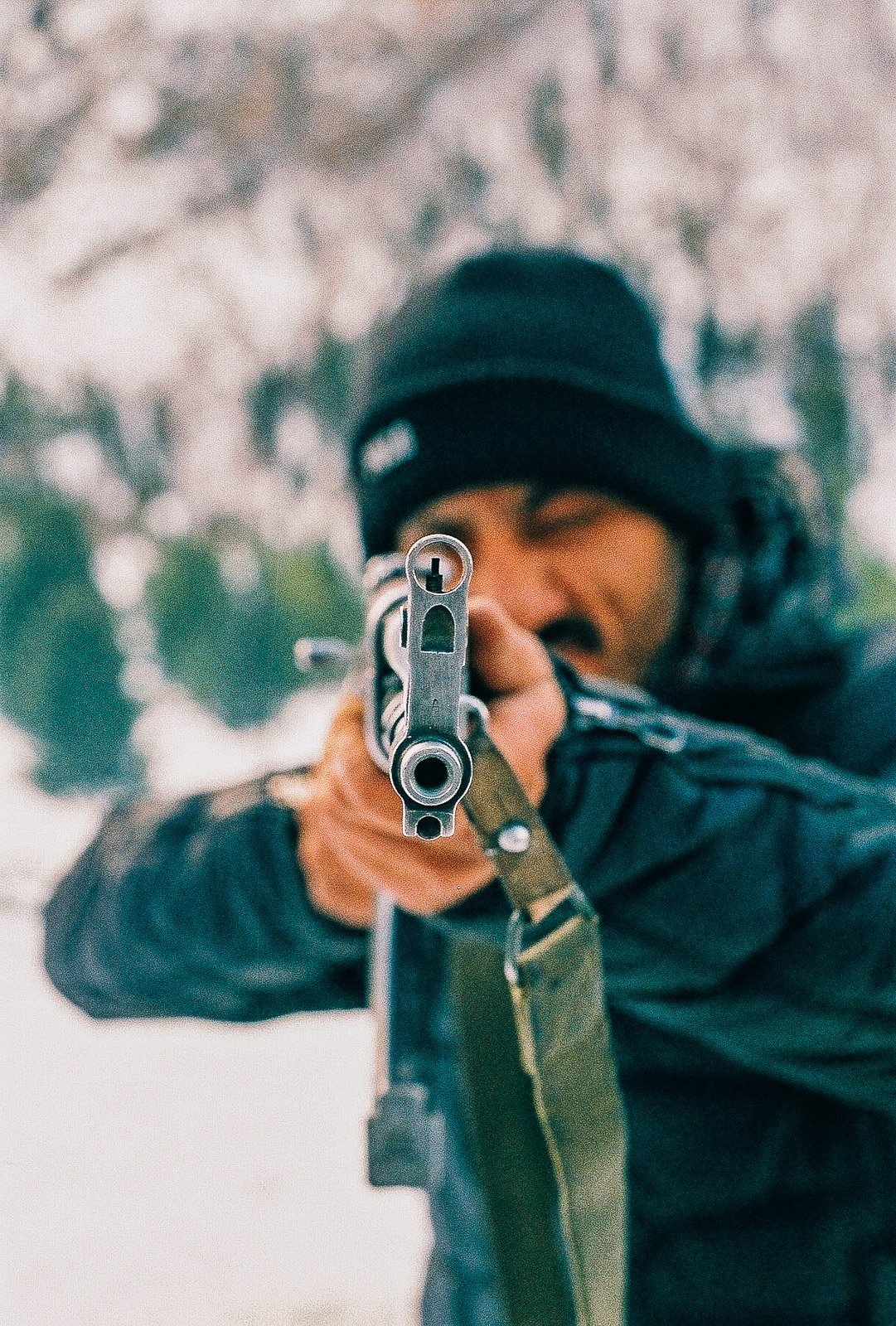
Between 2013 and 2016, I spent nearly four months in Pakistan documenting the Nanga Dream expeditions attempting the first winter ascent of Nanga Parbat, the ninth-highest mountain on Earth. Known as the "Killer Mountain," Nanga Parbat had never been climbed in winter and was considered one of the last great challenges in high-altitude mountaineering.This was the most difficult and demanding project I have ever photographed. Living for months in a remote base camp beneath a mountain that had claimed many lives, I was not only the expedition photographer but also a climber and member of the team. The assignment required enduring extreme cold, isolation, uncertainty and the constant reality that every decision in the mountains could have serious consequences.The resulting photographs and stories were published by mountaineering magazines, websites and television networks around the world. More importantly, the experience taught me patience, resilience and how to tell stories under some of the harshest conditions imaginable. Even today, no other assignment has pushed me further, either as a photographer or as a human being.
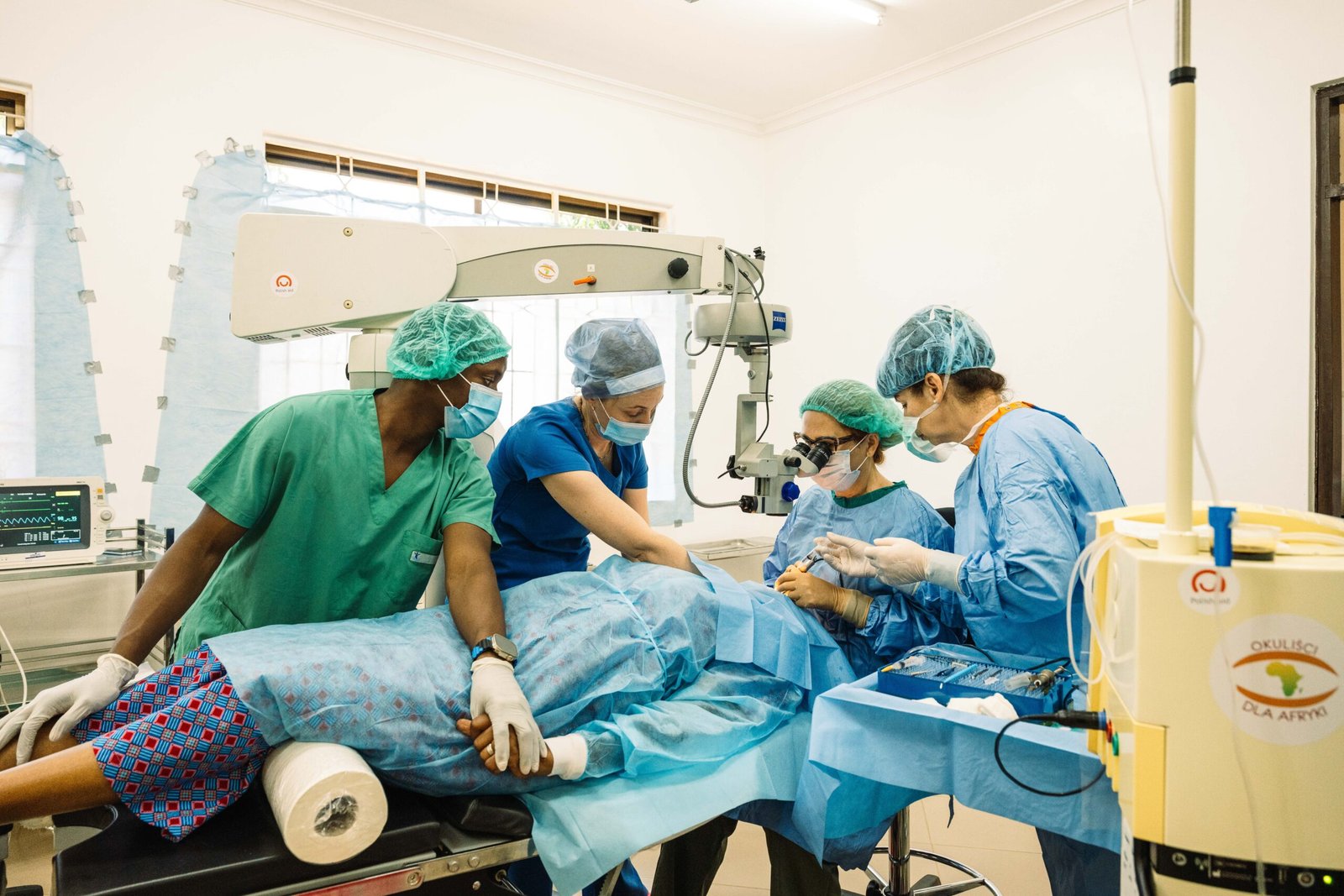
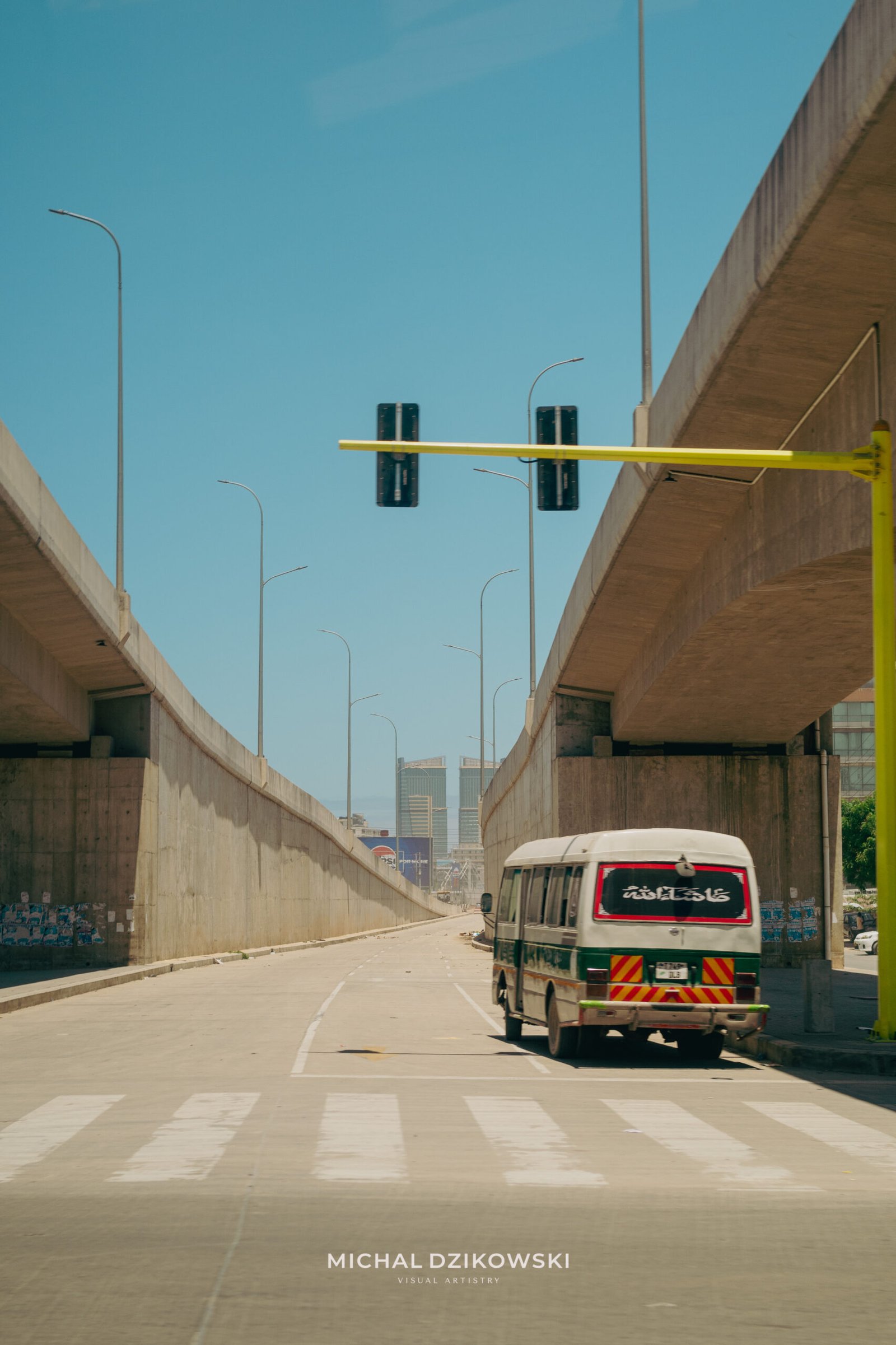
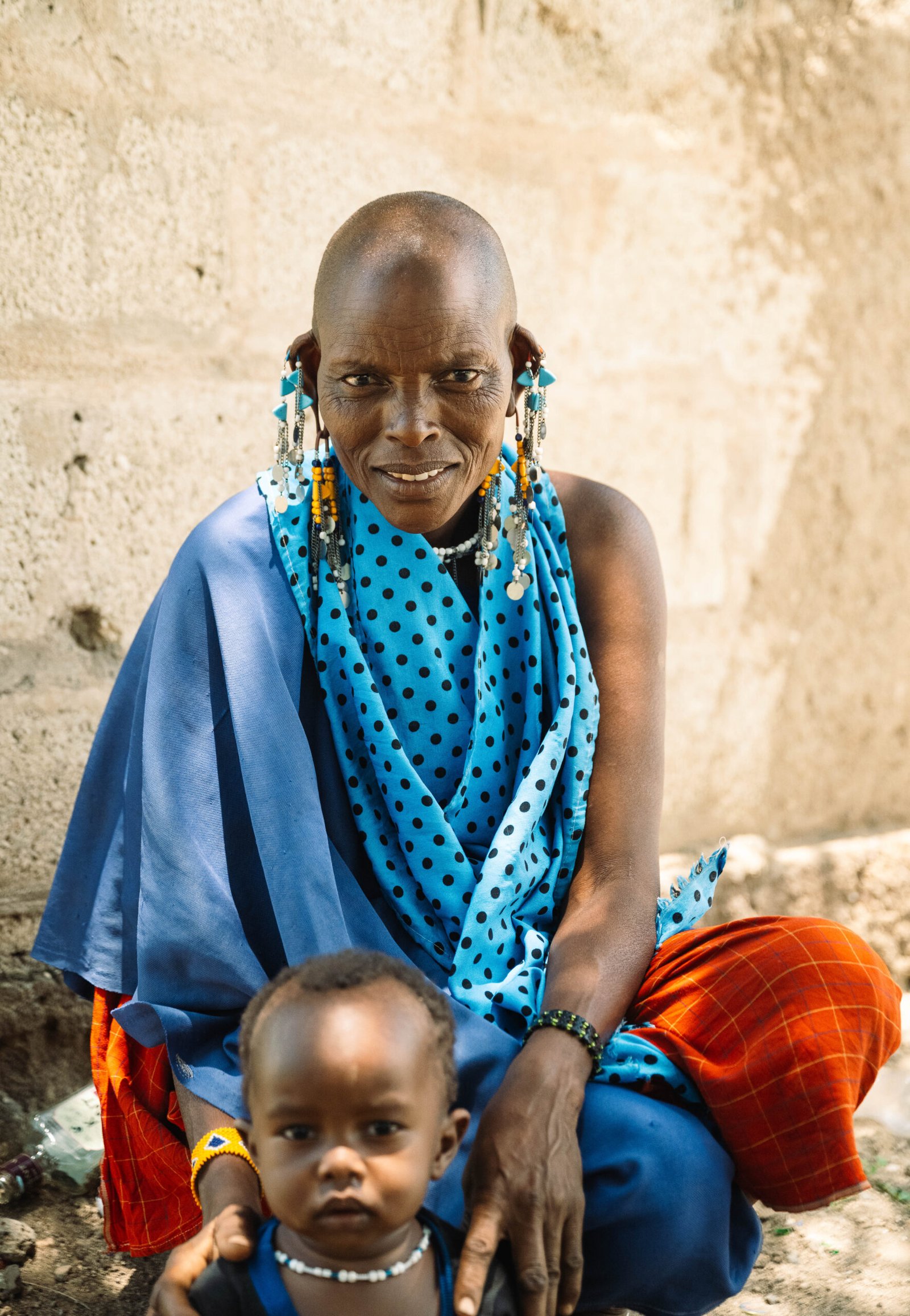
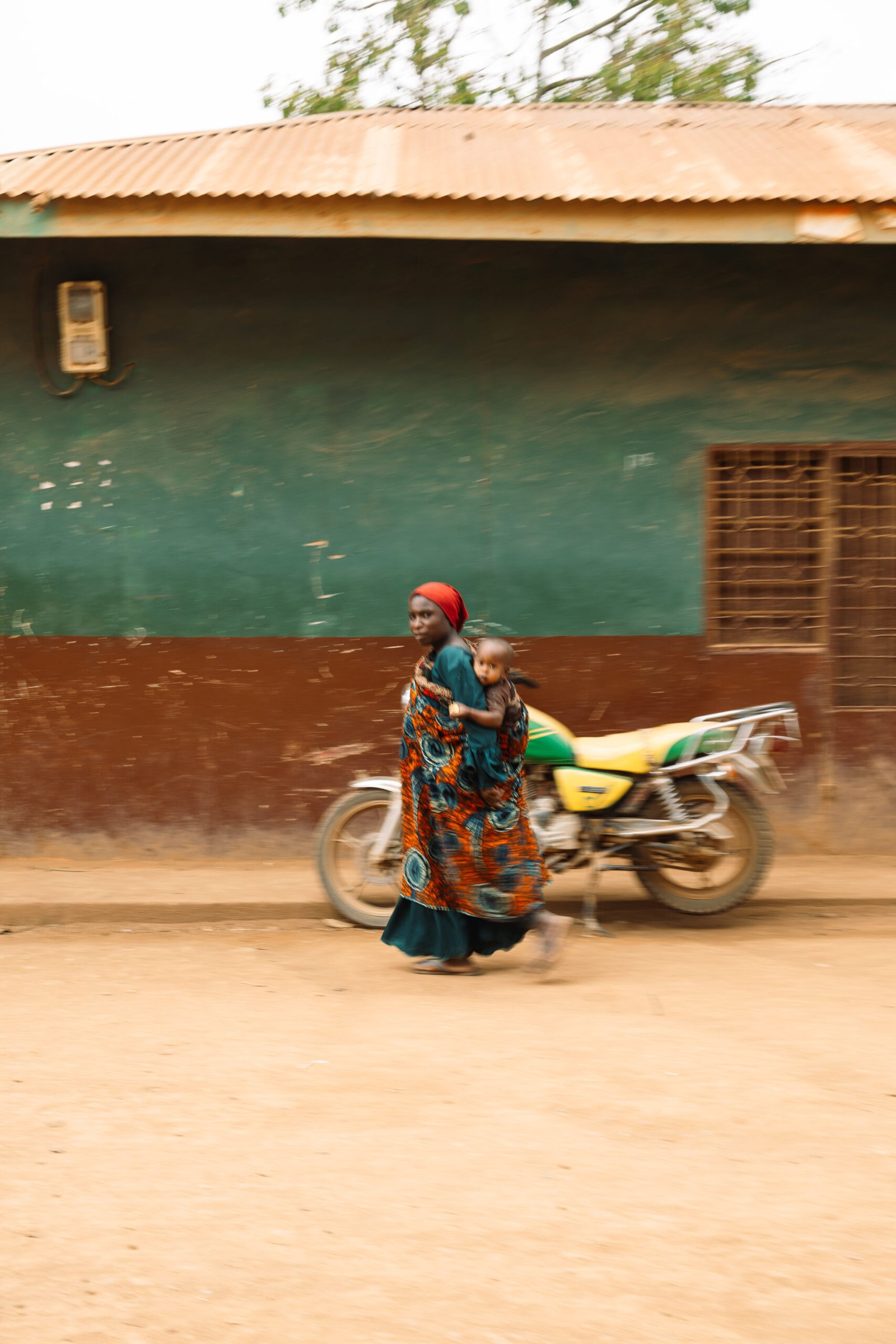
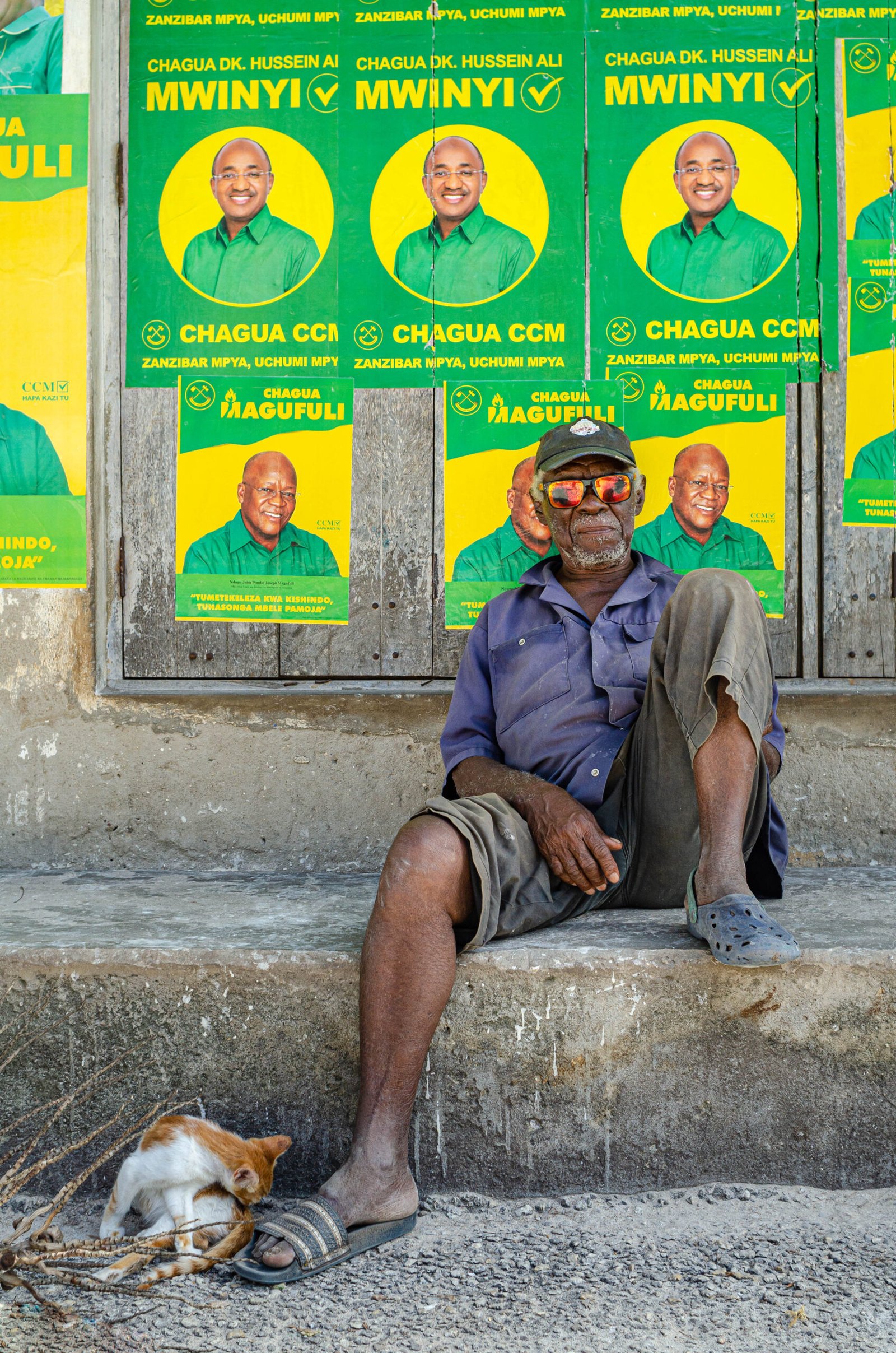
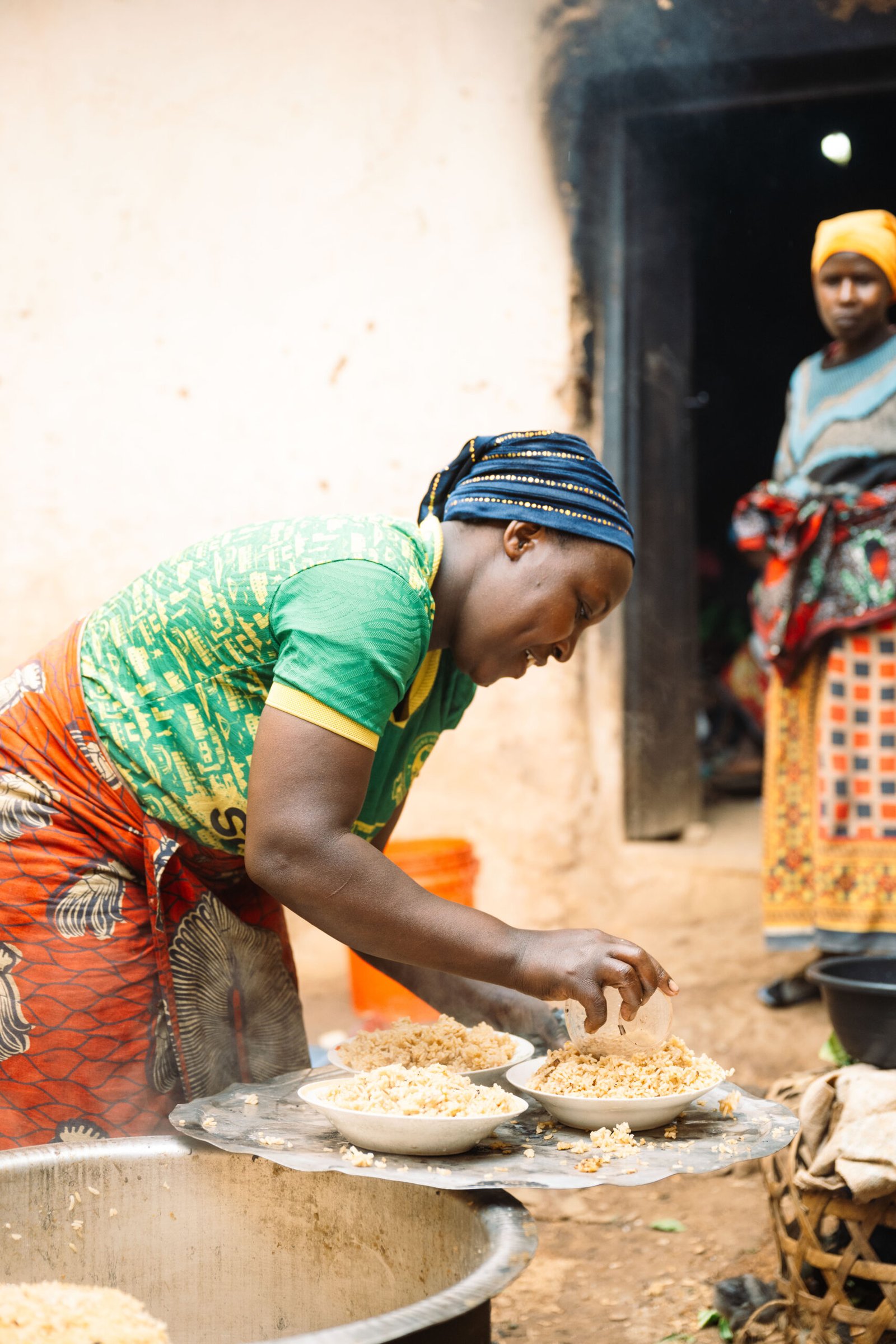
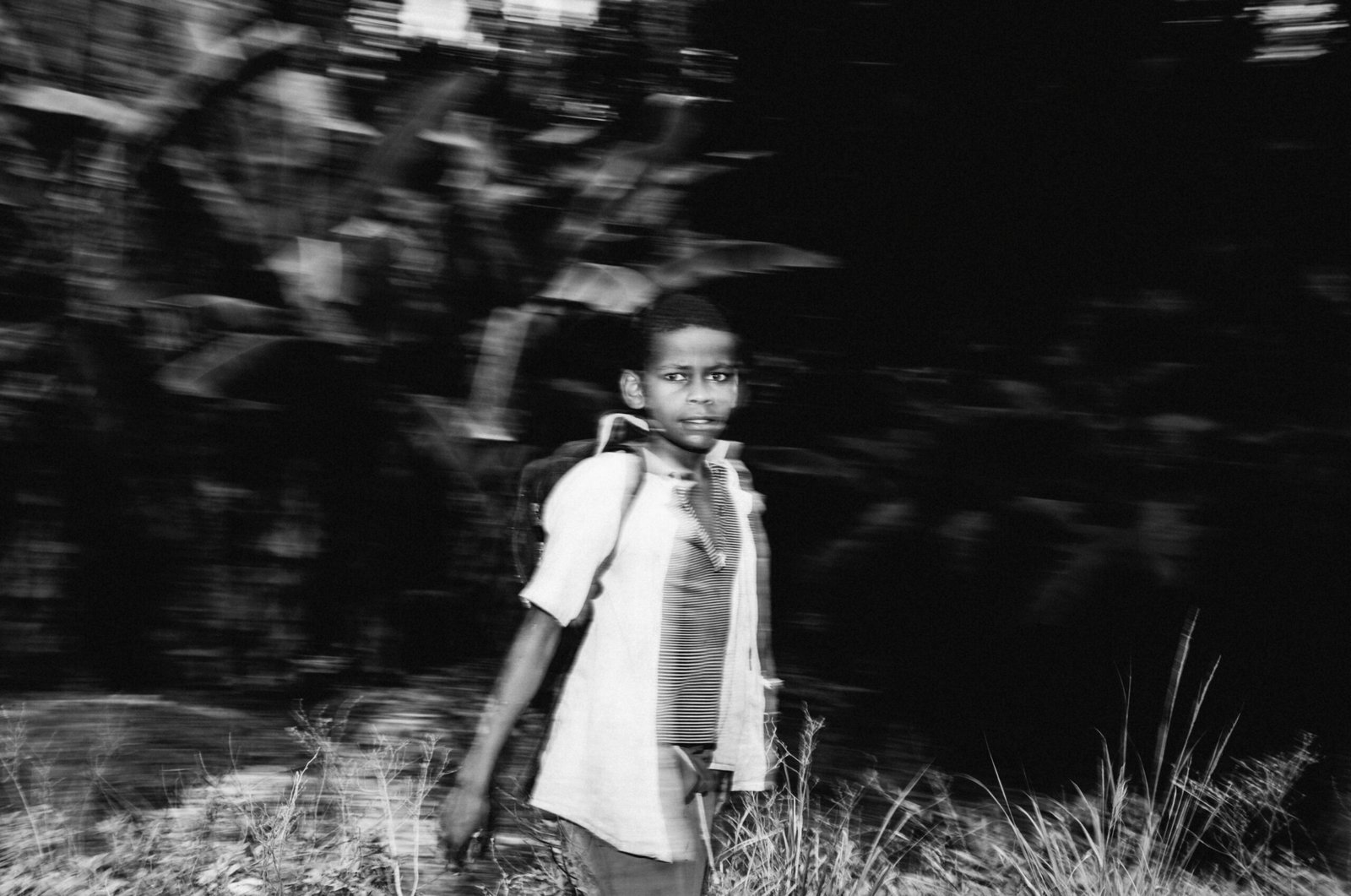
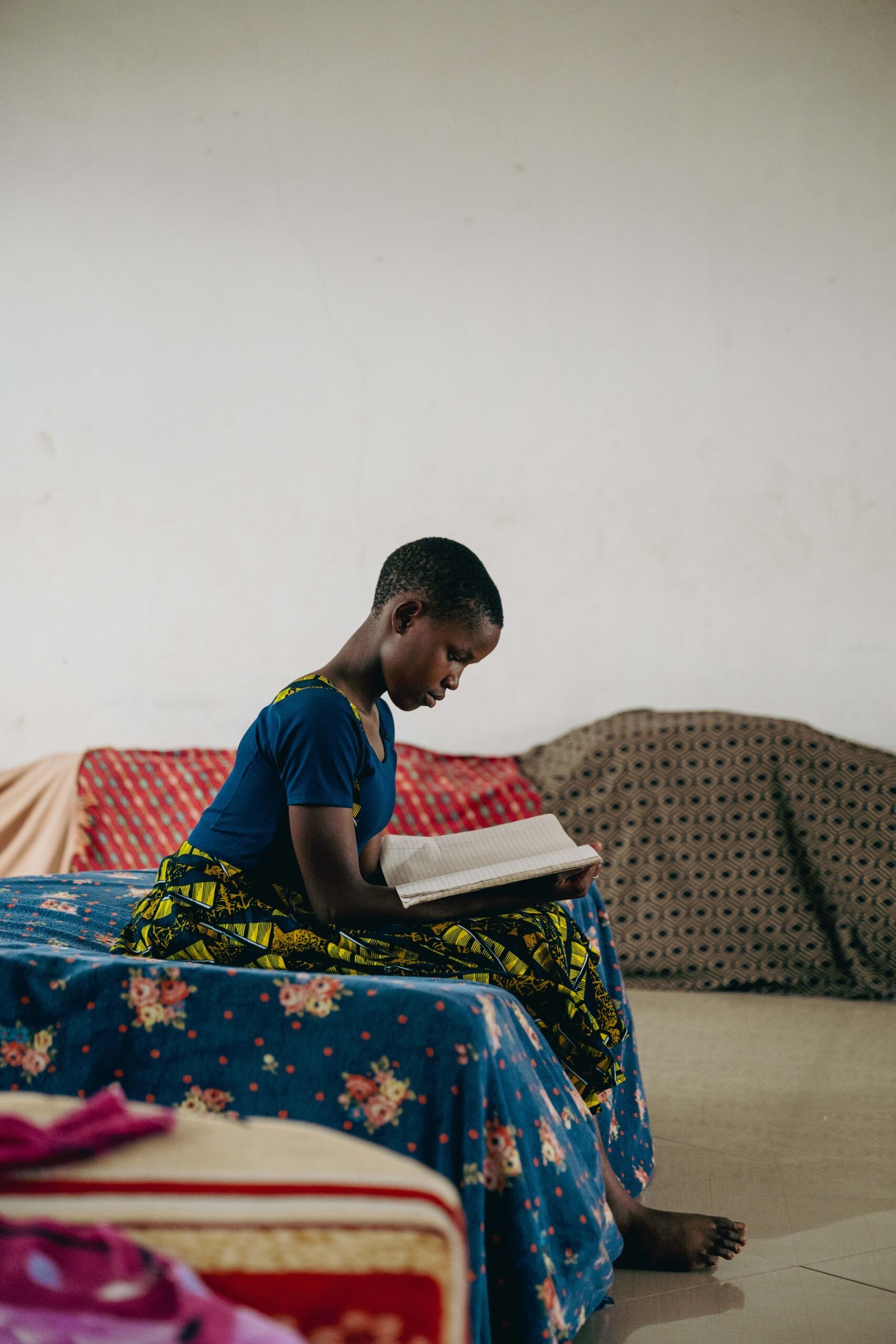
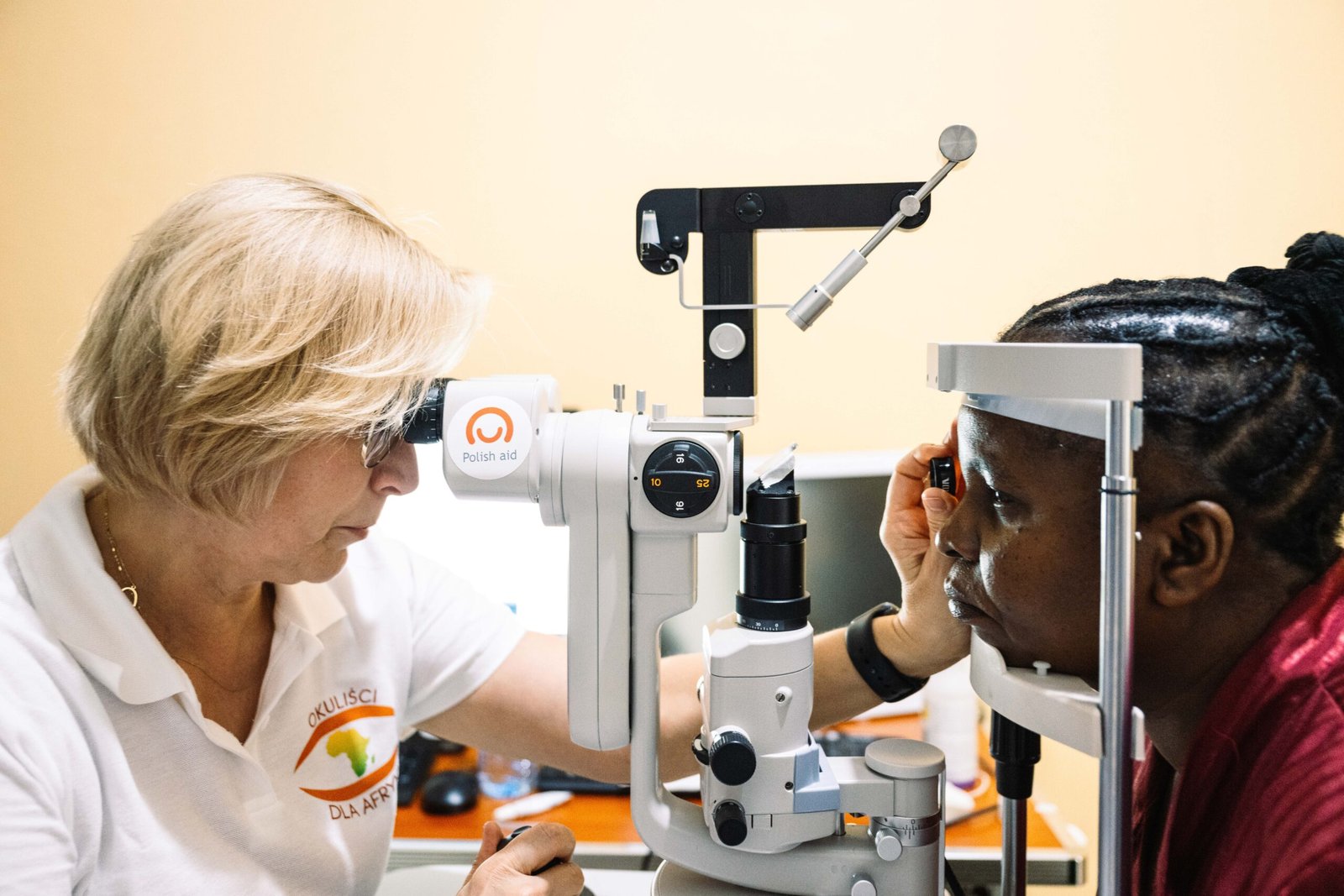
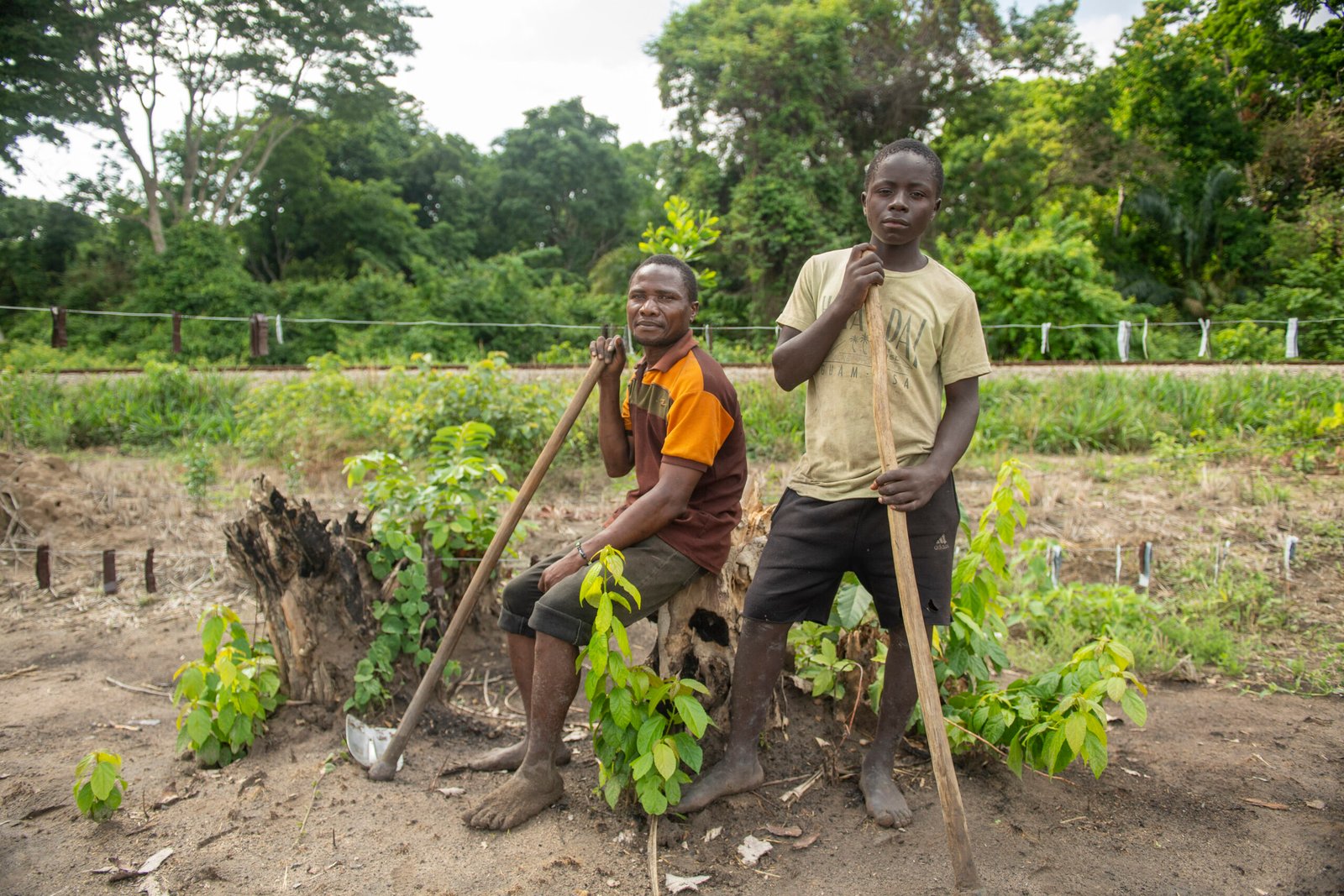
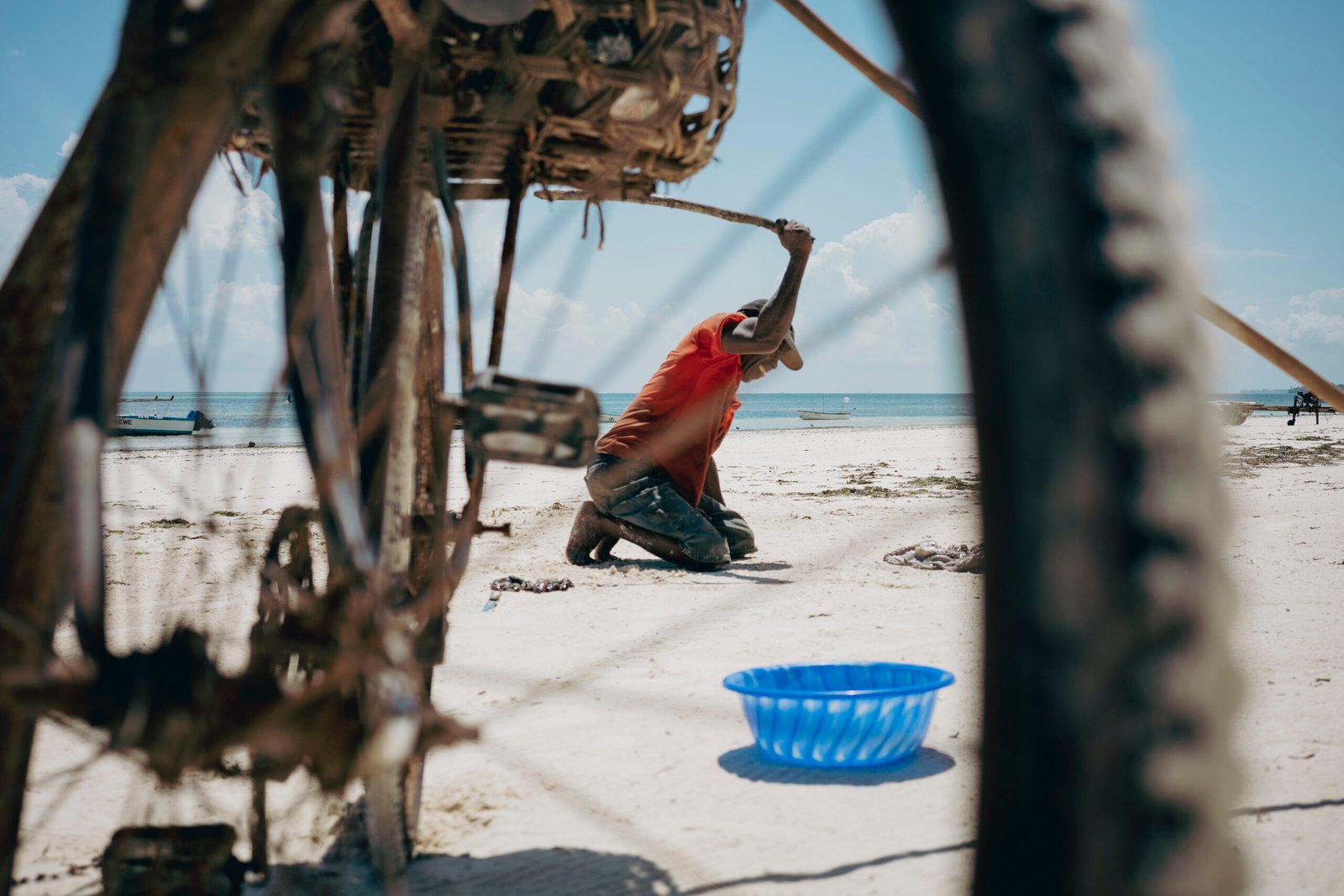
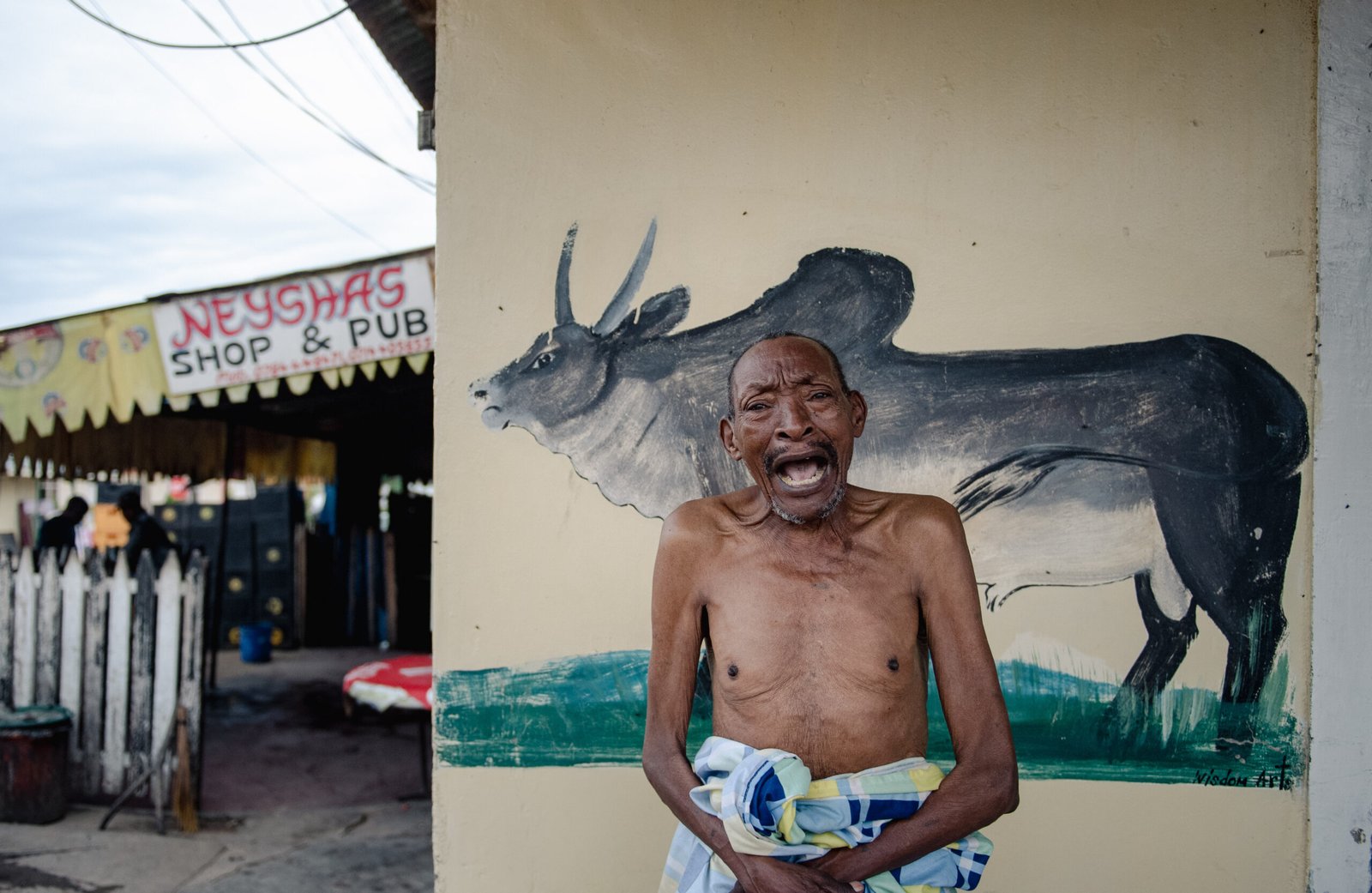
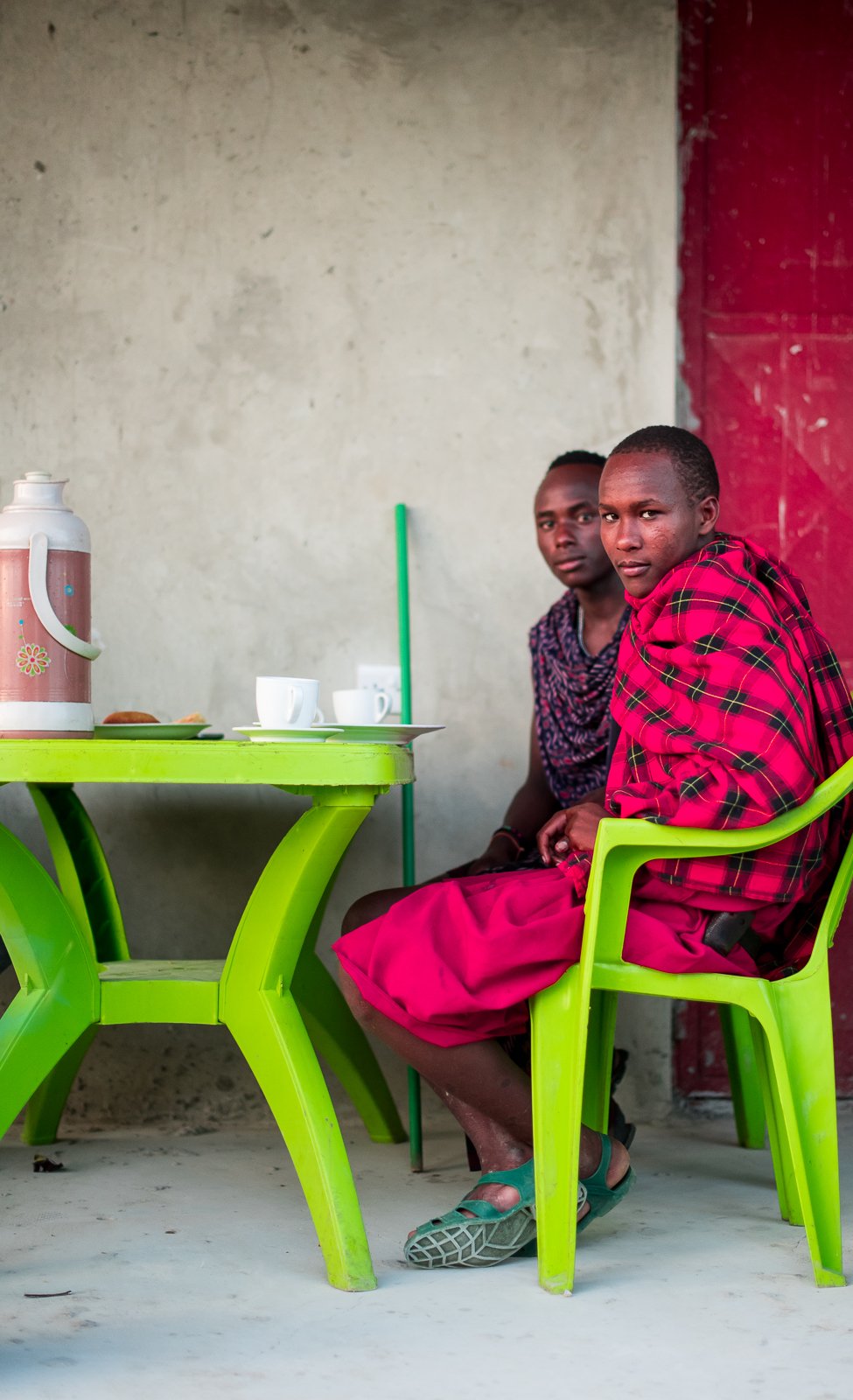
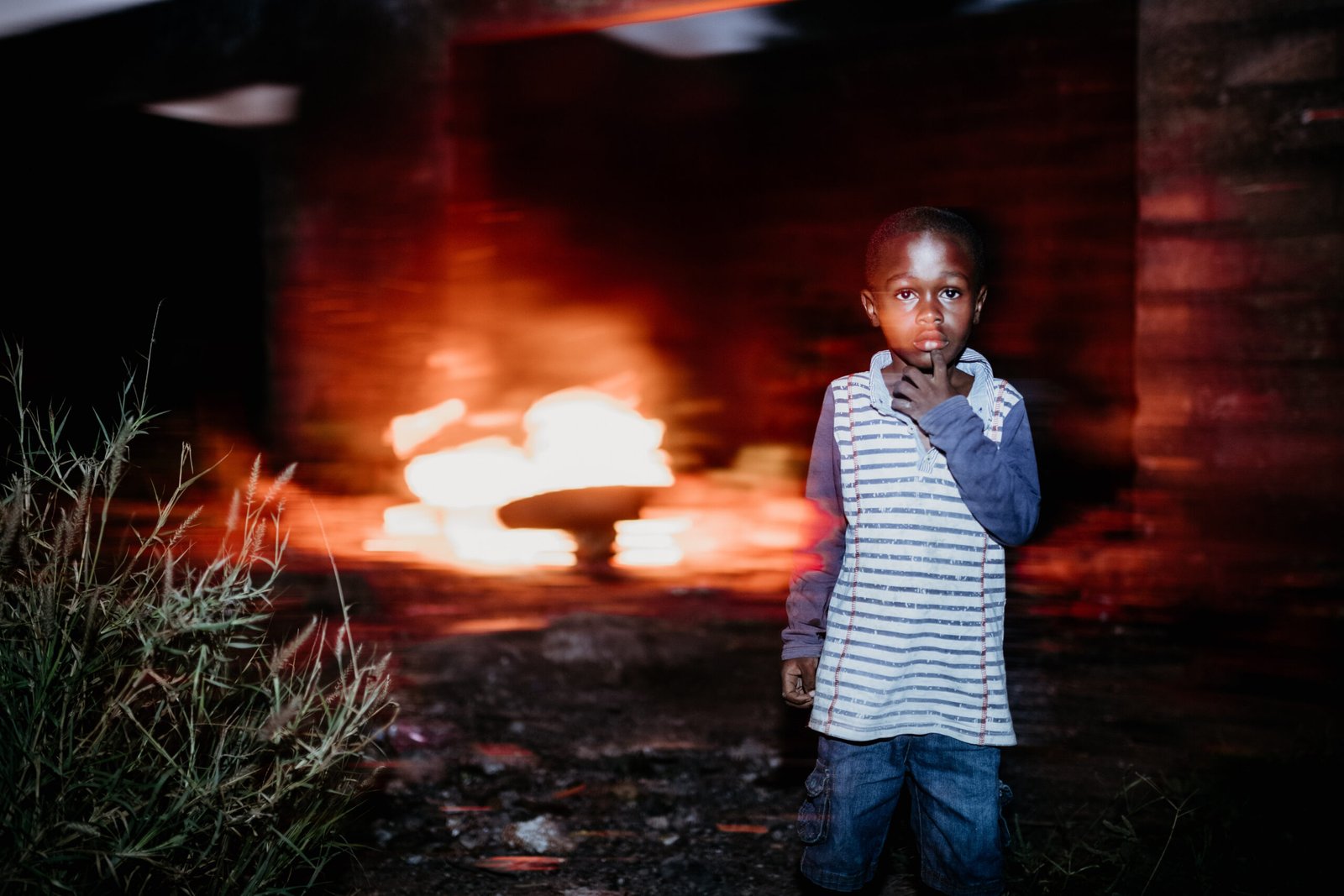
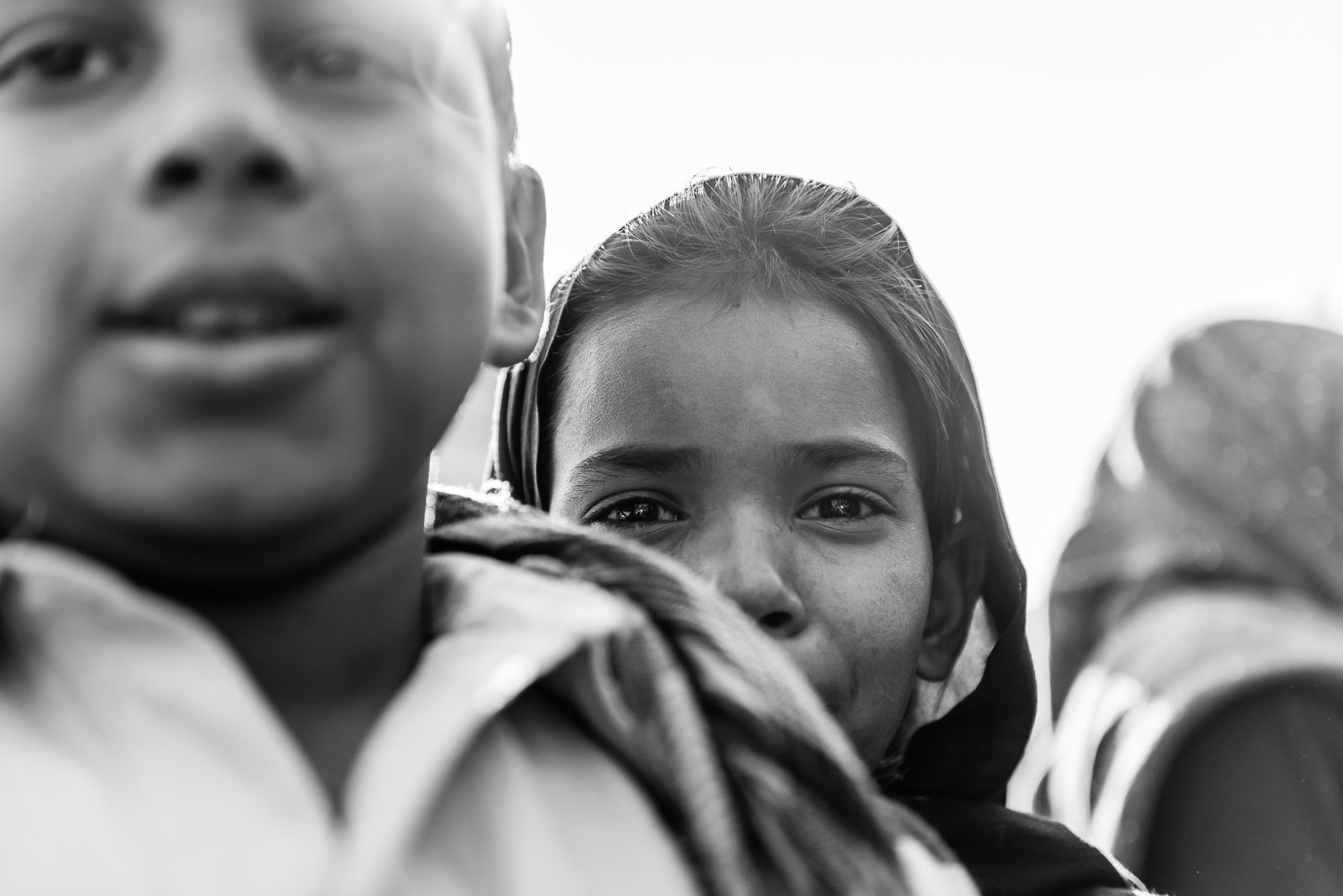
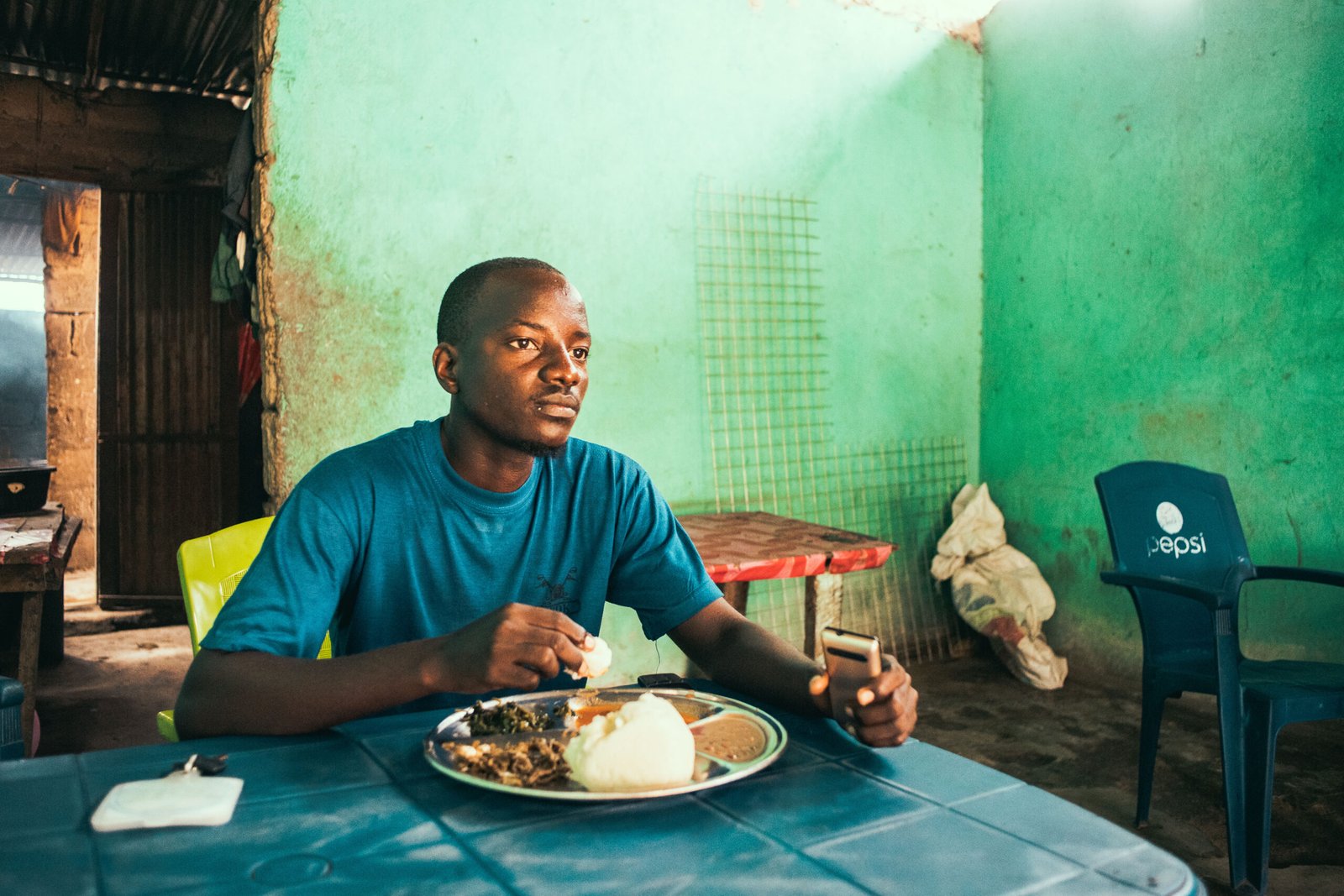
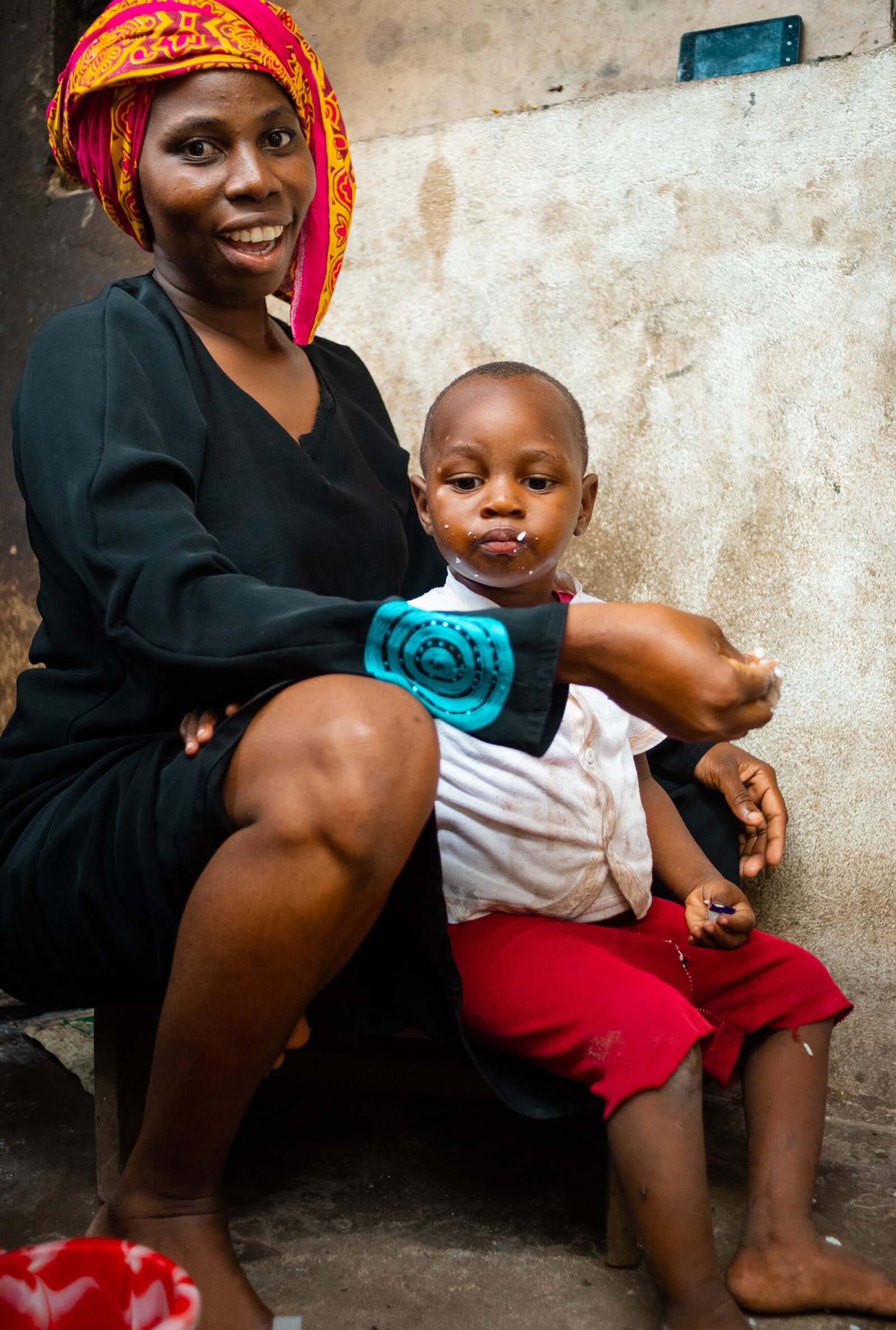
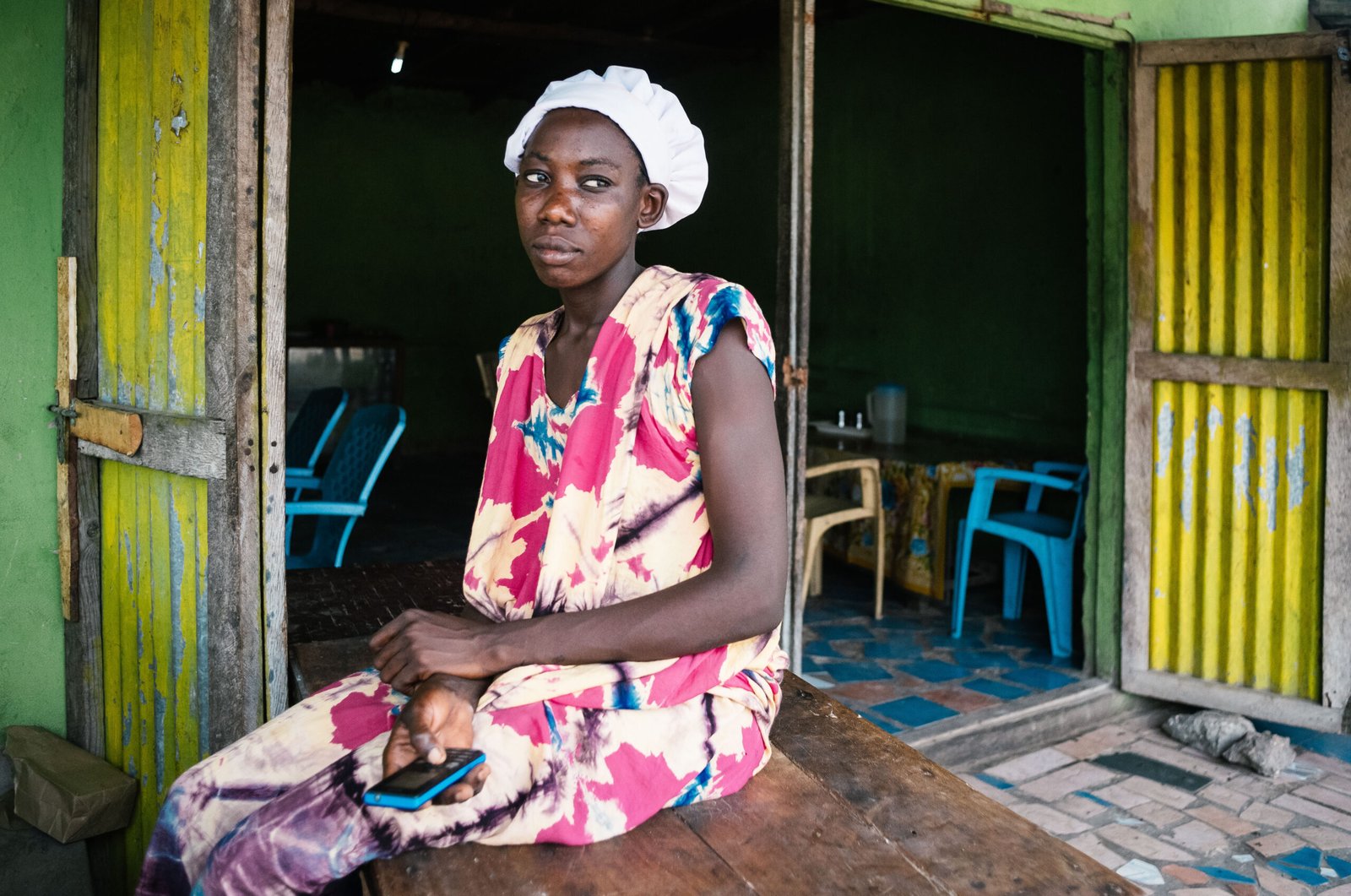
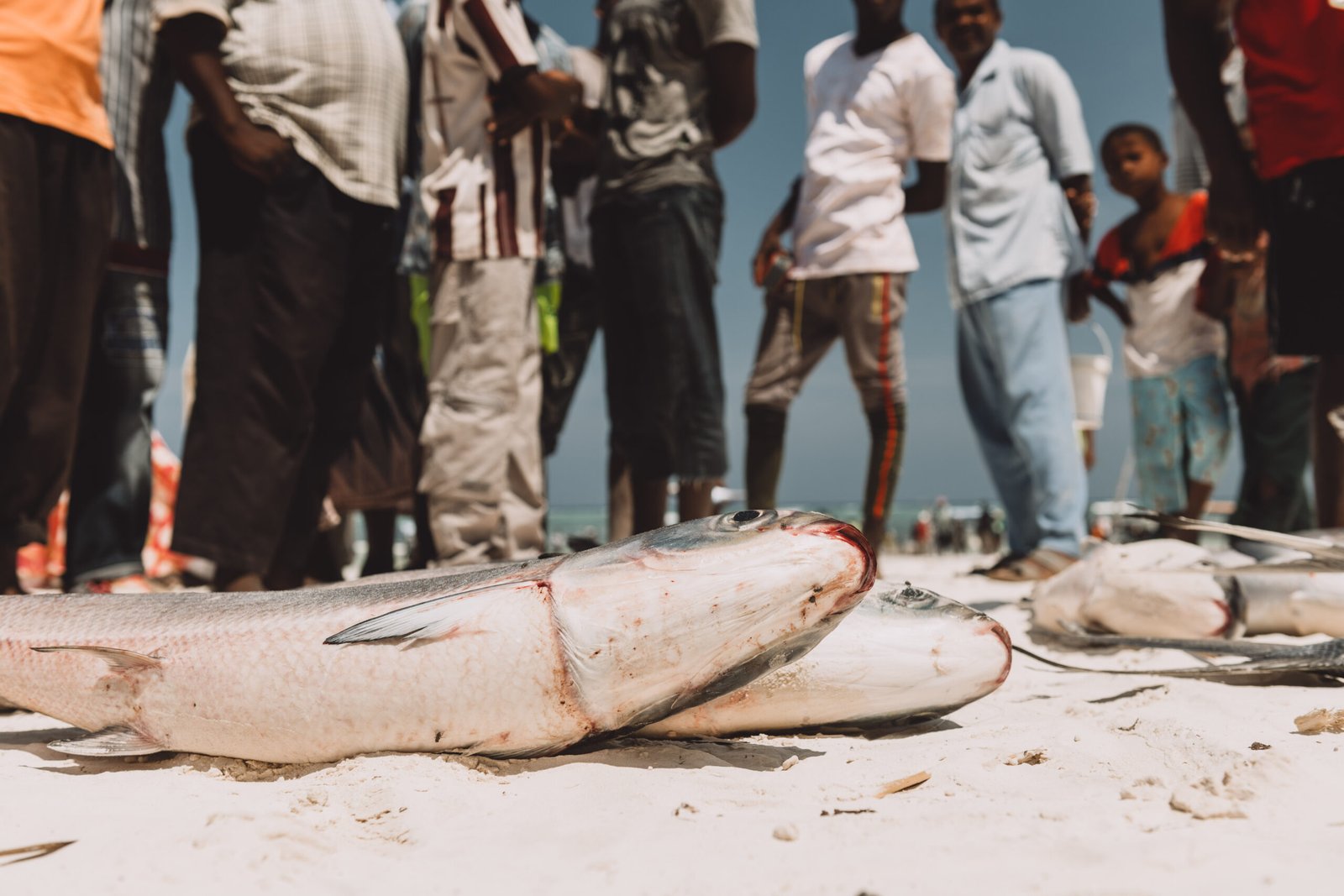
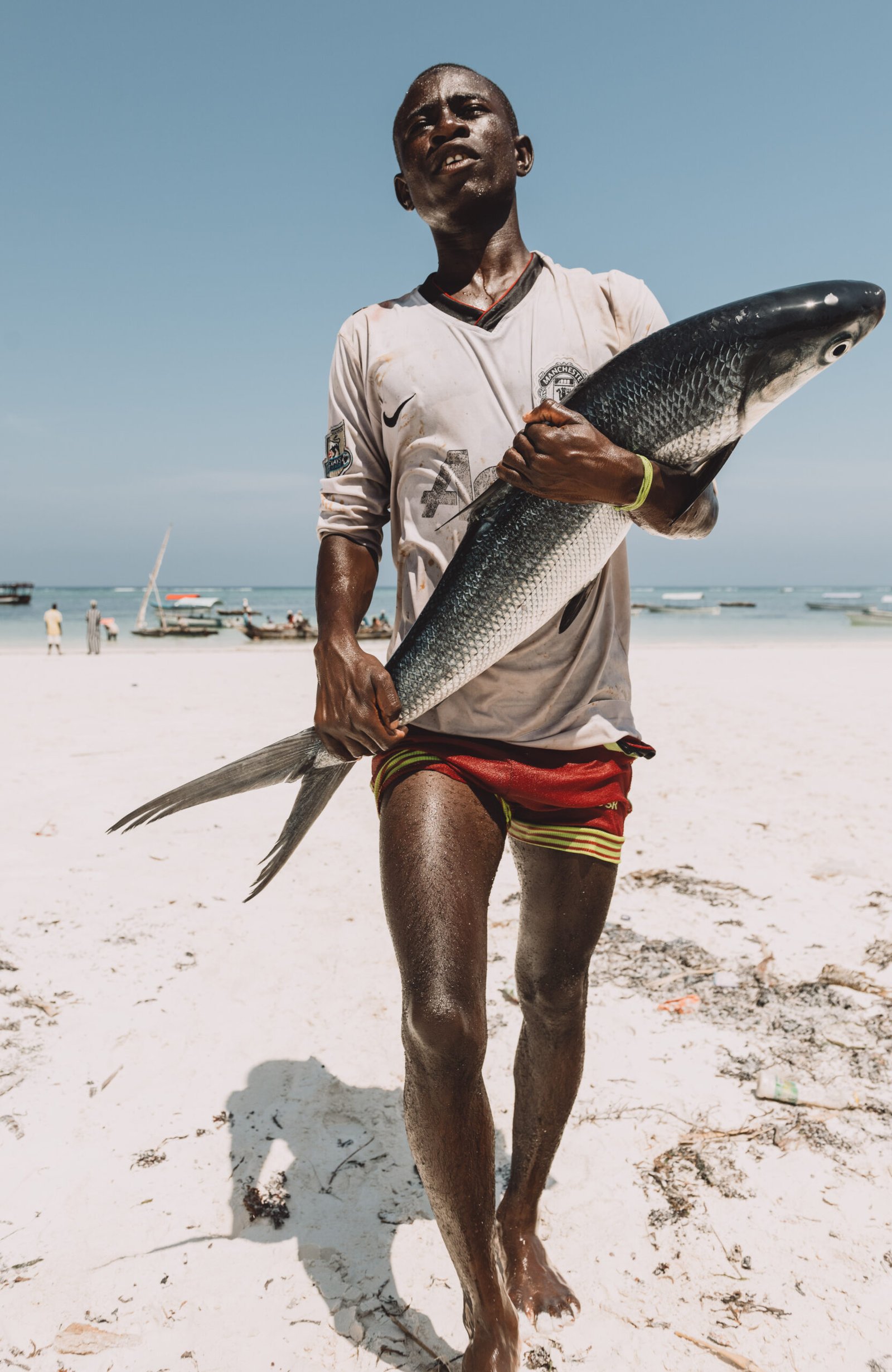
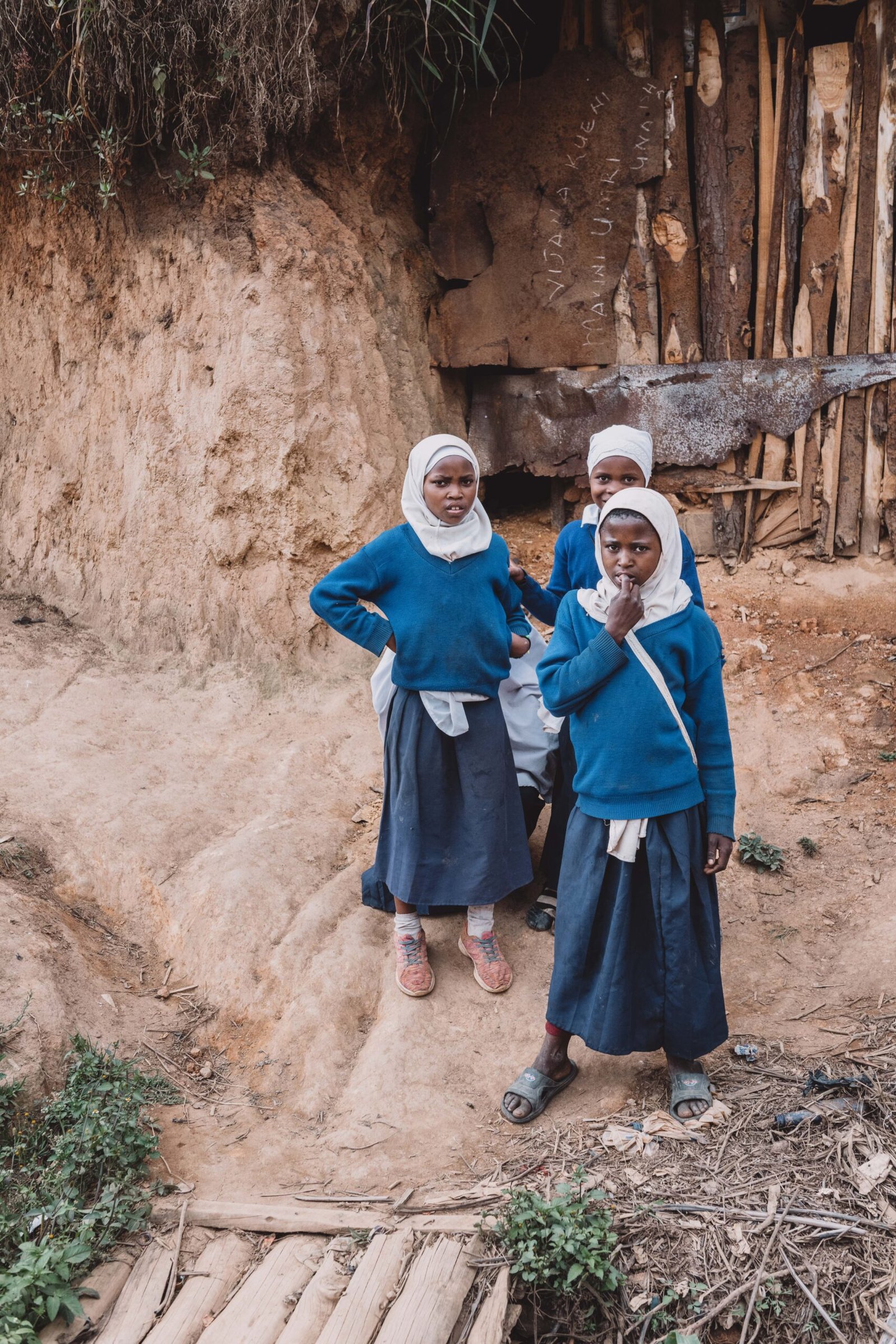
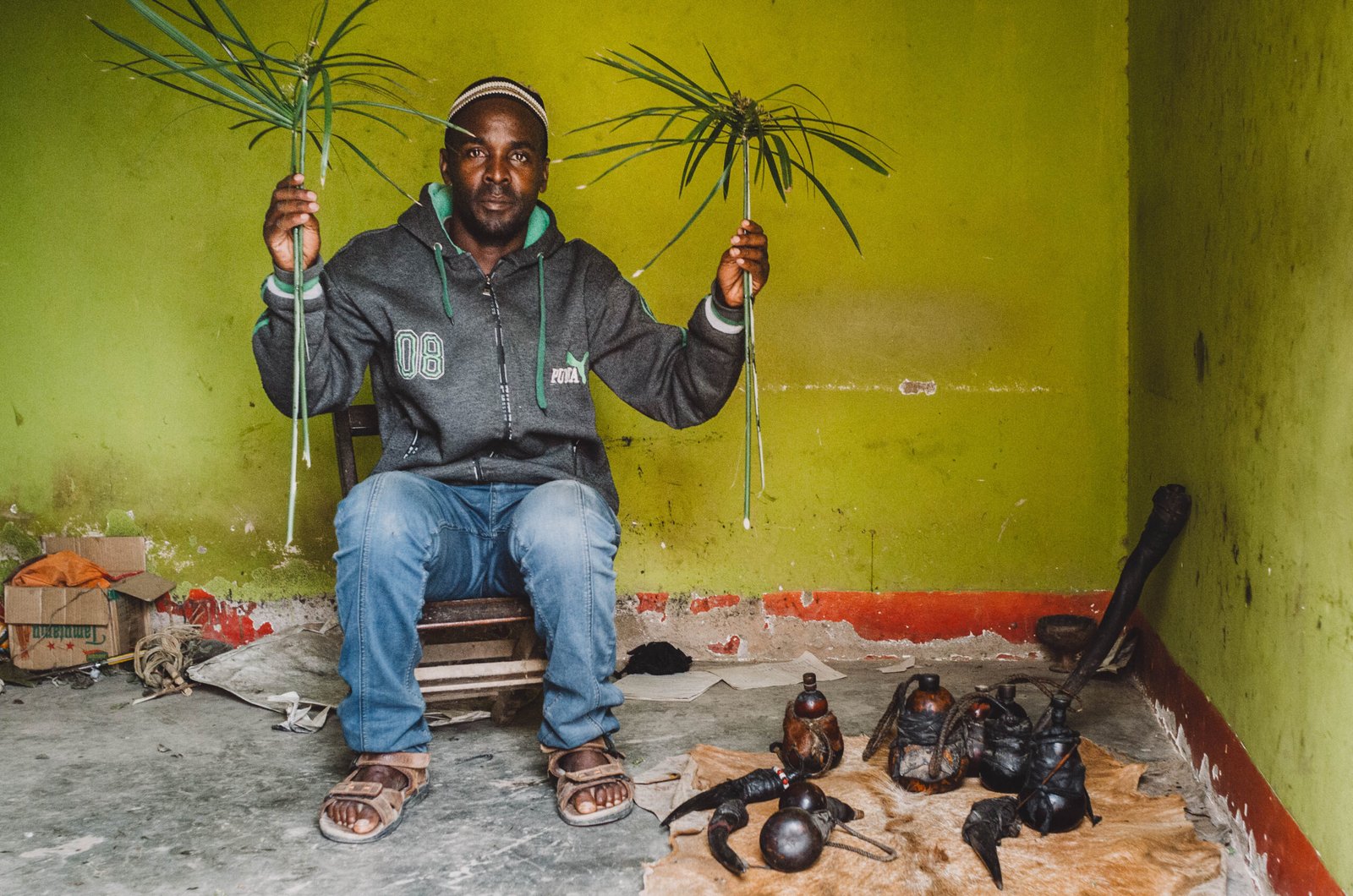
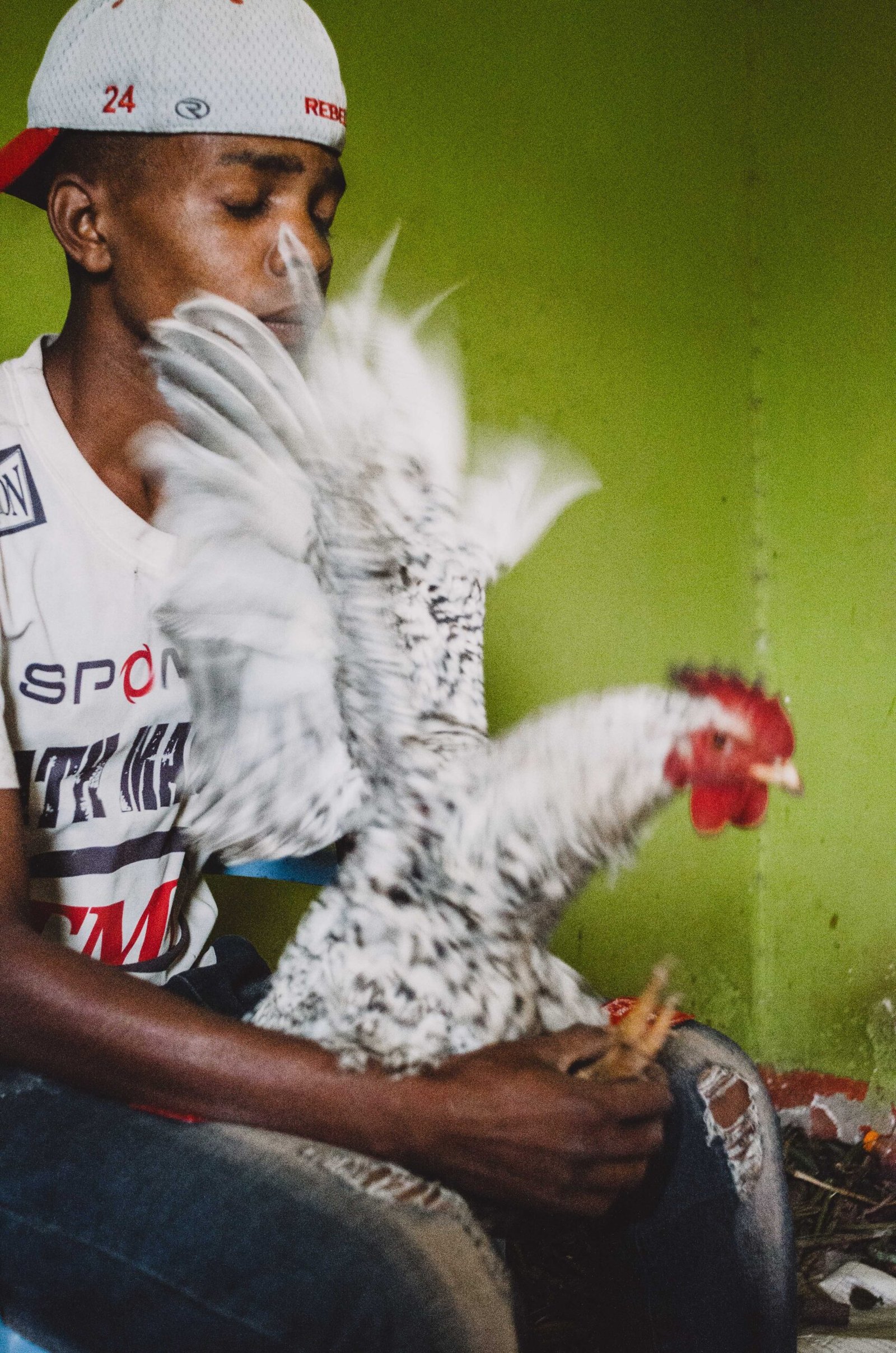
For the last several years, much of my documentary work has been created in partnership with NGOs, aid organisations and humanitarian projects across Africa. These assignments have taken me deep into communities and environments that most people will never see. I have documented rats trained to detect tuberculosis in medical laboratories, followed conservation teams helping farmers coexist with elephants destroying crops along forest edges, and photographed eye surgeons restoring sight in remote regions where access to healthcare is limited.What draws me to this work is not only the photography itself, but the opportunity to build bridges between different worlds. These projects allow me to travel across Africa, meet extraordinary people and witness both the challenges and resilience of communities working to improve their lives. As a photographer, I see my role as more than documenting events. I try to act as a visual ambassador, helping people on one side of the world better understand the lives, struggles and successes of people on the other. It remains some of the most meaningful and rewarding work I do.
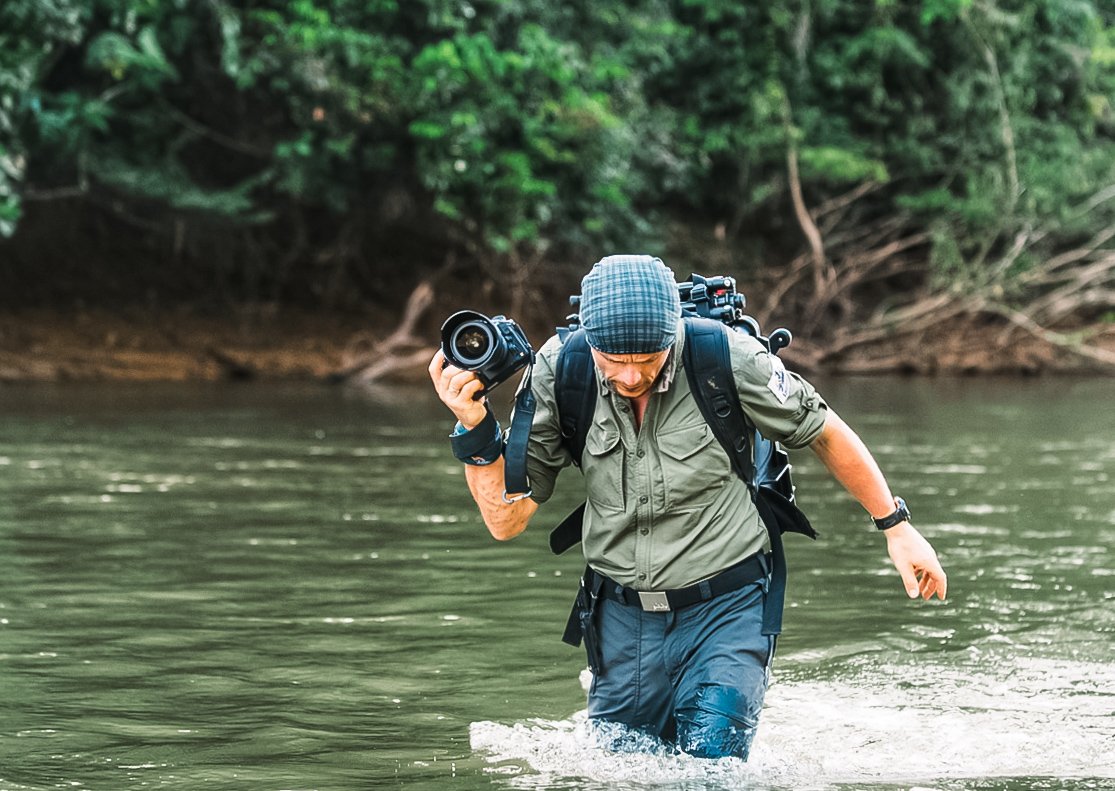
Few assignments have felt as much like stepping into another century as the expeditions to Chiribiquete in the Colombian Amazon. In 2014, our attempt ended when FARC guerrillas stopped our progress and made it impossible to continue deeper into the jungle. A year later, we returned. Four men, four weeks and roughly 450 kilometres of paddling, trekking and bushwhacking through one of the most remote regions on Earth.Our goal was to reach and document ancient Indigenous rock paintings hidden deep within the Amazon rainforest. After weeks of navigating rivers, hauling packrafts and surviving on limited supplies, we became among the first outsiders to see and photograph these extraordinary paintings, some believed to be up to 20,000 years old. The journey was later described by The Times as "a 19th century expedition undertaken by 21st century men."There was no support, no rescue infrastructure, no communication and no certainty of success. We lost around 15 kilograms each through relentless paddling and the physical demands of the jungle. Along the way we encountered tapirs, capybaras, piranhas, river dolphins and abandoned cocaine laboratories hidden in the forest. It was one of the hardest expeditions I have ever undertaken, but also one of the most rewarding. To stand before those ancient paintings after weeks of effort and document their existence was a privilege I will never forget.